The U.S. Food and Drug Administration has authorized the Libre Duo 10 Day Continuous Dual Glucose Ketone Monitoring System, the first U.S. wearable cleared to continuously monitor ketones and the first system the FDA describes as continuously monitoring both ketones and glucose together in one device.
The device is authorized for people aged 2 years and older living with diabetes.
Contents
- Why ketones matter in diabetes
- What the Libre Duo measures
- Why continuous ketone data is different
- What evidence supported authorization
- What the device cannot replace
- Why the authorization matters
Why ketones matter in diabetes
Glucose is the body's main circulating fuel, but when cells cannot use enough glucose, the body may increasingly break down fat for energy.
That process produces ketones. Small amounts can occur normally, but excessive ketone production in diabetes can progress to diabetic ketoacidosis, or DKA.
DKA is a medical emergency in which ketones accumulate along with metabolic acidosis and dehydration. It can develop quickly, particularly in people with type 1 diabetes.
This is why ketone information can add important context when glucose is high, a person is unwell or insulin delivery may have been interrupted.
What the Libre Duo measures
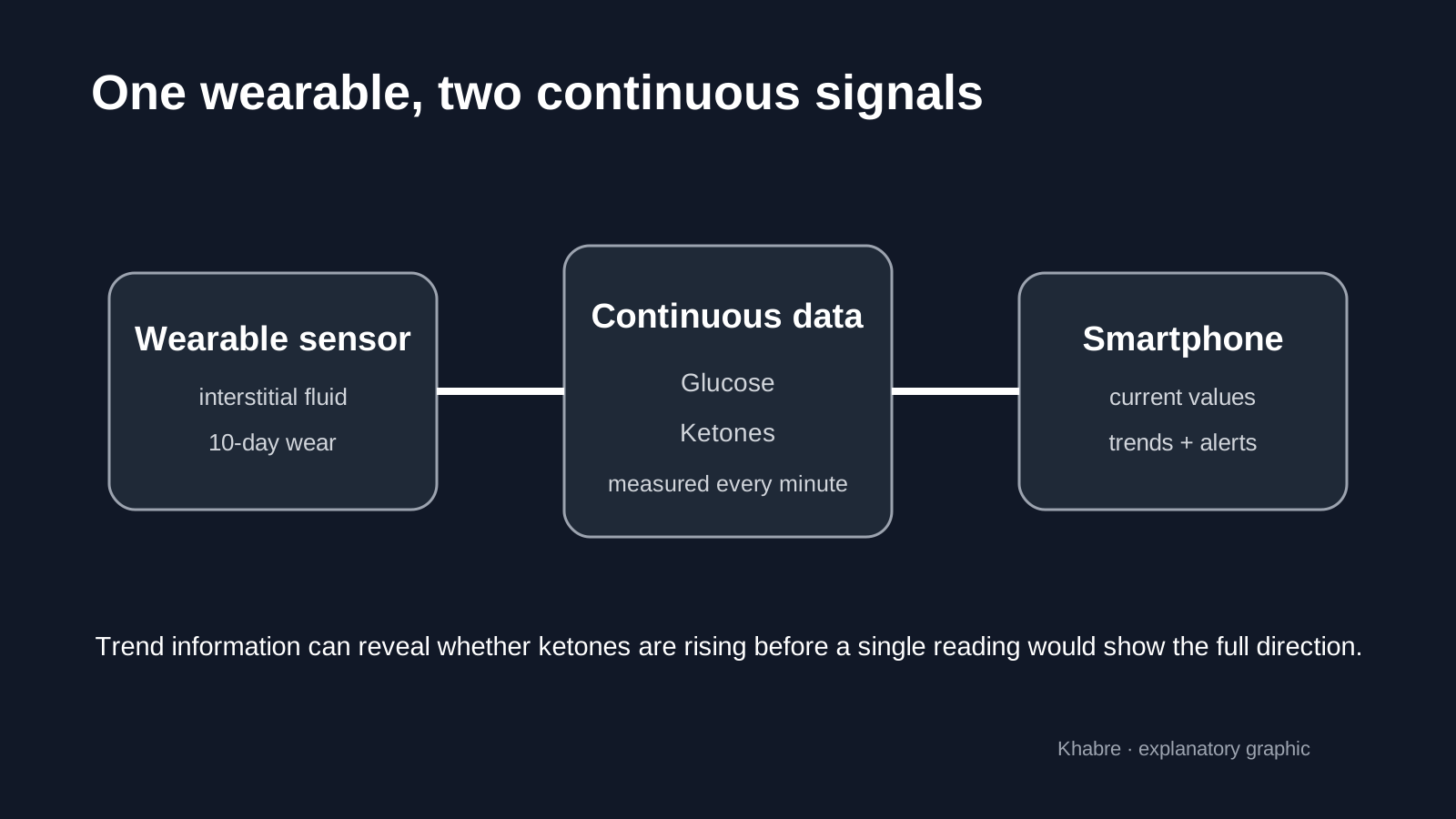
The Libre Duo 10 Day uses a wearable sensor to measure both glucose and ketone concentrations in the fluid just beneath the skin.
According to the FDA, the system takes measurements every minute, day and night, during its 10-day wear period.
Readings are transmitted wirelessly to a compatible smartphone, where users can see current values and whether glucose or ketones are rising or falling.
The system can also issue alerts when ketone levels reach a concerning threshold.
Why continuous ketone data is different
Traditional ketone testing provides a measurement at one point in time. A single value can show whether ketones are elevated at that moment, but it cannot directly show the direction or speed of change.
Continuous monitoring adds a trend.
That distinction is similar to the difference between a single photograph and a short video: both contain useful information, but the video reveals whether the situation is moving toward or away from danger.
For DKA risk, knowing that ketones are rising may allow earlier recognition than waiting for symptoms to become severe.
What evidence supported authorization
The FDA says the clinical program included six studies enrolling more than 600 participants aged 2 years and older.
The studies assessed the accuracy of both ketone and glucose monitoring across different concentration ranges.
According to the FDA, the system tracked clinically meaningful differences in ketone levels across its 10-day wear period and could identify elevated ketones before the onset of diabetic ketoacidosis in the evaluated data.
The FDA granted the device marketing authorization through the De Novo pathway, which is used for new types of low- to moderate-risk medical devices for which there is no appropriate existing predicate device.
The system had previously received Breakthrough Device designation.
What the device cannot replace
Continuous data does not eliminate the need to interpret symptoms and clinical context.
The FDA specifically notes that ketone readings should be interpreted together with glucose values and symptoms.
People with suspected DKA still require appropriate medical assessment and treatment.
As with continuous glucose monitors, sensor readings can also differ from blood values because the device measures interstitial fluid rather than drawing blood directly.
Why the authorization matters
Continuous glucose monitoring transformed diabetes management by replacing many isolated measurements with trends and alerts.
Adding continuous ketone sensing extends that idea to one of diabetes' most dangerous acute complications.
The potential value is therefore not simply convenience. It is the possibility of recognizing a rising ketone pattern earlier, particularly in children, people using insulin pumps and others at risk of DKA.
The authorization applies to the U.S. market. Indian availability, pricing and regulatory status were not confirmed from the FDA source and should not be inferred from the U.S. authorization.
This article is general medical information and not personal medical advice.
Primary source
- U.S. Food and Drug Administration. FDA Authorizes First Wearable Device That Continuously Monitors Both Ketone Levels and Blood Sugar. 25 August 2026. https://www.fda.gov/news-events/press-announcements/fda-authorizes-first-wearable-device-continuously-monitors-both-ketone-levels-and-blood-sugar