Khabre branded placeholder image

science

Electric current drives rotation in a single molecule

Researchers report that voltage can drive cyclic rotation in a helicene molecule held between gold electrodes. The rotation changes how readily current passes through the junction, and reversing voltage polarity reverses the preferred direction of motion.

Khabre branded placeholder image

science

UK Metascience Unit Tests Changes to Grant Review

The UK Metascience Unit has tested ways to change research-grant review, including applicant-led peer review. Its co-head says that approach can speed assessment, while email appeals to reviewers’ social obligation did not increase acceptance.

Khabre branded placeholder image

science

STAR Finds Jet Quenching in Oxygen Collisions at RHIC

The STAR Collaboration measured about 20% lower yields of recoiling charged hadrons and jets in high-activity than low-activity oxygen–oxygen collisions at RHIC. The result provides evidence for jet quenching in this relatively small collision system.

Khabre branded placeholder image

science

Perseverance Detects Ultrafine Mars Dust on Suit Materials

NASA’s Perseverance rover measured fine and ultrafine Martian dust clinging to samples of spacesuit materials carried on the rover. The results could help guide spacesuit, habitat and dust-removal designs for future Mars crews.

Khabre branded placeholder image

science

Dual-Copper Method Switches Chlorine-Transfer Reactions

A Nature study reports a dual-copper strategy for using unactivated alkyl chlorides in chlorine atom-transfer radical chemistry. The approach can switch between small-molecule synthesis and polymer reactions.

Khabre branded placeholder image

science

Cultivated archaea offer clues to the origins of complex cells

Researchers brought two archaeal strains from a lineage closely related to the ancestor of eukaryotic cells into culture. Their simple internal organization, elaborate surfaces, microbial partnerships and protein-dependent lifestyle offer clues about how complex cells arose.

Khabre branded placeholder image

science

Researchers depolymerize silicones back to monomer using chlorination

A peer-reviewed Nature study reports a chemical method that cleaves silicone’s Si–O–Si backbone and regenerates an industrially relevant dichlorosilane monomer. The approach worked across linear and cyclic siloxanes, including commercial silicone oils and elastomers.

Khabre branded placeholder image

science

Nature Medicine flags image concerns in a 2007 heart study

Nature Medicine has issued an Editorial Expression of Concern over northern blot images in a 2007 paper on microRNA-133 and cardiac hypertrophy. The journal says the original data are no longer available and advises readers to interpret the affected data with caution.

Khabre branded placeholder image

science

NASA Ends Swift Science Mission After Nearly 22 Years

NASA ended science operations of the Neil Gehrels Swift Observatory after atmospheric drag at its low orbit made steady astronomical observations impossible. The spacecraft leaves a public archive of nearly 22 years of multiwavelength data.

Khabre branded placeholder image

science

Anthropic says AI-derived 3-SAT algorithm refutes ETH

Anthropic says an internal research Claude model found a deterministic subexponential-time algorithm for 3-SAT, contradicting the Exponential Time Hypothesis. Its repository includes a Lean 4 formalization and describes the result as asymptotic, not a practical solver.

Khabre branded placeholder image

science

Two Triassic fossils point to a fully marine amphibian

Two nearly complete skeletons from China identify Gerrothorax maritimus, a stem amphibian that lived about 237 million years ago. The fossils’ position far from land and associated strontium isotope evidence suggest it inhabited fully marine environments.

Khabre branded placeholder image

science

Perseverance Measures Ultrafine Dust on Mars Spacesuit Samples

NASA’s Perseverance rover detected fine and ultrafine Martian dust clinging to spacesuit-material samples carried on board. The measurements could help guide ways to limit dust exposure during future crewed missions.

Khabre branded placeholder image

science

ESO reports plausible exomoon detection around a brown dwarf

ESO says observations with the Very Large Telescope have revealed plausible evidence for a Jupiter-mass object orbiting a brown dwarf in the CD-35 2722 system. If confirmed, it could be the first moon-like object detected beyond the Solar System.

Khabre branded placeholder image

science

LangAAI models antibody hypervariable regions using antigen sequences

A bioRxiv preprint introduces LangAAI, a model that uses antibody and antigen sequences to model antibody hypervariable regions without requiring 3D structures. The authors report that changing the antigen input to a non-binding decoy particularly affects sequence recovery in the CDR3 loop.

Khabre branded placeholder image

science

Late Jurassic avialan fossil points to a flightless lifestyle

A fossil from southeastern China represents a newly described Late Jurassic avialan with a mix of bird-like and troodontid-like features. Its short forelimbs and comparative anatomy support a terrestrial, flightless lifestyle.

Khabre branded placeholder image

science

Study finds elevated Serpin A3 in CAA and a severe ARIA case

A bioRxiv preprint reports higher Serpin A3 levels in human brain tissue from cases with cerebral amyloid angiopathy and Alzheimer’s disease than in neurological controls. The protein was also prominent around damaged vessels in one postmortem case of severe lecanemab-associated ARIA.

Khabre branded placeholder image

science

RNA decay filters transposable-element-driven gene innovation

A bioRxiv preprint reports that nonsense-mediated decay suppresses many RNA isoforms created when transposable-element sequences become part of genes. The findings suggest this cellular quality-control system helps regulate a pool of potential evolutionary novelty.

Khabre branded placeholder image

science

First-principles method improves spin-defect decay calculations

A Physical Review Letters study presents a first-principles framework for calculating internal conversion in optically active spin defects. The authors report quantitative agreement with experiments for the NV− centre in diamond and identify a previously overlooked nonradiative channel affecting a divacancy triplet lifetime in silicon carbide.

Khabre branded placeholder image

science

NASA’s Psyche spacecraft begins near-continuous thrusting

NASA says the Psyche spacecraft began using its solar-powered thrusters nearly 90% of the time after a Mars gravity assist. The extended thrusting is intended to keep it on course for an asteroid rendezvous in summer 2029.

Khabre branded placeholder image

science

NASA’s Roman Space Telescope Begins Science Commissioning

NASA says the Nancy Grace Roman Space Telescope has completed its observatory checkout and entered science commissioning. Teams are now testing performance, calibrating the instruments and refining image quality before science operations.

Khabre branded placeholder image

science

Global assessment finds widespread benefits from forest protection

An assessment of 29,038 studies reports that 85% found positive human and environmental co-benefits from avoiding forest conversion. The authors also identify gaps in evidence for countries facing imminent forest-conversion threats.

Khabre branded placeholder image

science

Electric Current Drives a Rotating Molecular Machine

Researchers report a helicene molecule that rotates directionally when voltage is applied, with the direction reversing when voltage polarity changes. Above a threshold, rotation enhances current through the molecule, and stretching or compressing it tunes that threshold.

Khabre branded placeholder image

science

Brain activity timescales shift with task demands and development

A bioRxiv preprint analysing fMRI data from 1,712 people reports that task-related changes in brain activity timescales vary across cortical regions, track cognitive performance and follow a two-stage pattern during youth. The findings link these changes to cortical features associated with neural plasticity, but do not establish a causal mechanism.

Khabre branded placeholder image

science

iFLiP aims to make lifetime fiber photometry more accessible

A bioRxiv preprint describes iFLiP, a low-cost fiber photometry system using off-the-shelf components to measure fluorescence lifetime. The researchers report demonstrations tracking protein kinase A activity in cells and mice, including measurements over multiple days.

Khabre branded placeholder image

science

Airway model shows antibiotics can favour less damaging Pseudomonas infections

In a preprint, researchers report that antibiotic selection on human airway tissue favoured Pseudomonas aeruginosa clones that preserved the tissue and survived treatment better. The finding suggests that standard susceptibility measurements can miss infection traits shaped by the host environment.

Khabre branded placeholder image

science

Single-amplicon method sequences rhinovirus and enterovirus genomes

A bioRxiv preprint describes a single-amplicon sequencing workflow that recovered high-quality rhinovirus genomes from clinical specimens and enterovirus coding sequences from isolates. The authors report lower reagent costs and shorter processing time than hybridization capture sequencing.

Khabre branded placeholder image

science

Carbon-A model annotates 48,167 eukaryotic genome assemblies

A bioRxiv preprint describes Carbon-A, a 1.2-billion-parameter model for predicting protein-coding genes across eukaryotes. Its authors used the model to create a database covering 48,167 genome assemblies and report strong performance across 42 benchmarks.

Khabre branded placeholder image

science

Perseverance Sets Mars Driving Record at 28.10 Miles

NASA’s Perseverance rover drove 28.10 miles (45.22 kilometres) on Mars by Oct. 11, 2026, surpassing the previous off-world driving record held by Opportunity. NASA says autonomous navigation has enabled the rover to cover more terrain as it investigates Jezero Crater.

Khabre branded placeholder image

science

OpenAI used thousands of AI agents to analyse mouse brain data

OpenAI says it worked with PerturbAI and Scripps Research to use thousands of GPT-Rosalind agents to analyse a whole-brain mouse CRISPR atlas in 32 minutes. The agents linked gene-disruption effects with scientific literature to produce leads for follow-up research.

Khabre branded placeholder image

science

hEVO model uses human genetic diversity to interpret variants

A bioRxiv preprint introduces hEVO, a genomic model trained on 4.784 billion haplotype sequences reconstructed from whole-genome data. Its authors report strong results across variant-interpretation benchmarks, including tests that required no task-specific training.

Khabre branded placeholder image

science

A Nature Letter Traces Optogenetics’ Roots to Algae Research

A Nature correspondence links research into how single-celled algae sense light to the discovery of channelrhodopsins and the development of optogenetics. Its authors say this line of work underpins this year’s Nobel Prize in Physiology or Medicine.

Khabre branded placeholder image

science

Chaperone links protein-design tools and cuts reported costs

A bioRxiv preprint introduces Chaperone, a framework for coordinating protein-design tools. Its authors report reduced token use and GPU costs across nine design tasks, alongside results from several protein-design campaigns.

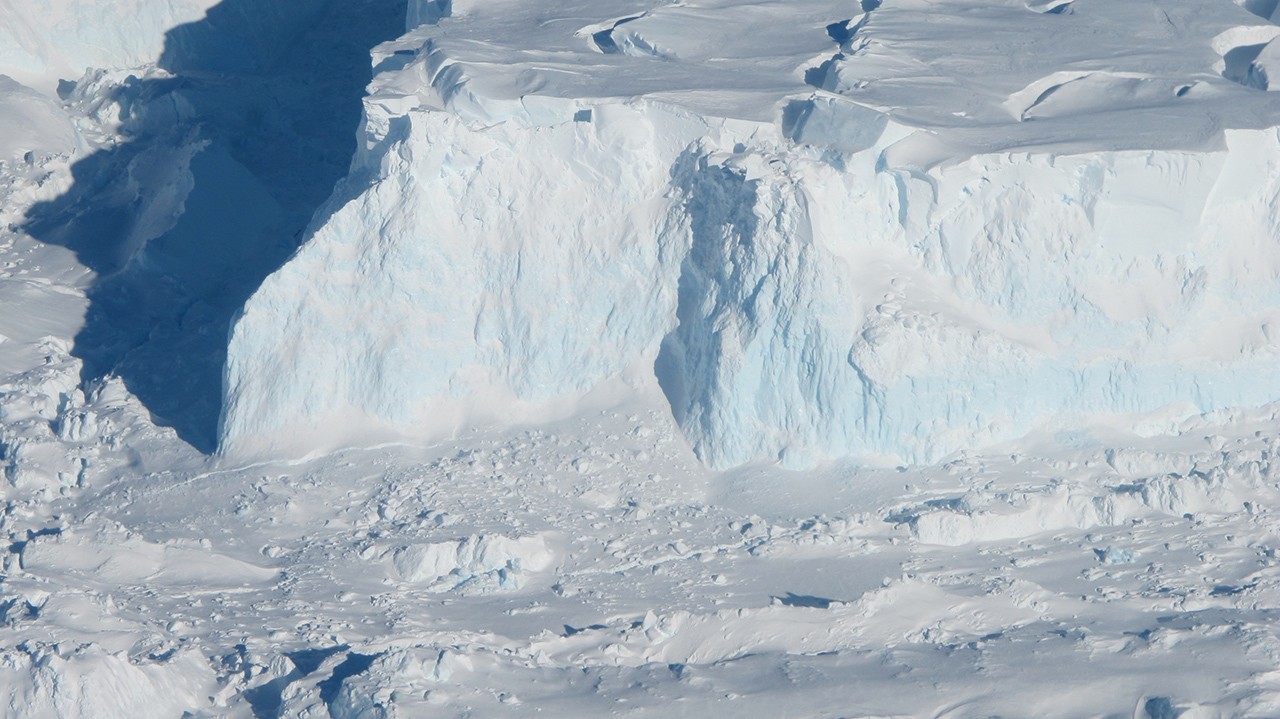
Thwaites Glacier in Antarctica, photographed in 2014

science

NASA Study Refines Thwaites Glacier Sea-Level Projections

A model that represents broad grounding zones matched historical satellite data more closely than models that omit them. In some simulations, it projected as much as twice the glacier’s current sea-level contribution estimates.

Khabre branded placeholder image

science

Cell Painting PLUS adds organelle imaging to compound profiling

A bioRxiv preprint reports that Cell Painting PLUS uses additional organelle-resolved imaging to improve morphological profiling of compounds. In tests of 284 compounds in U2OS cells, it performed better than conventional Cell Painting for identifying compounds that interfere with lysosome function.

Khabre branded placeholder image

science

Mixed E. coli strains challenge genomic typing, benchmark finds

A bioRxiv preprint reports that simulated mixtures of E. coli strains made sequence-type and serotype prediction less reliable than detection of individual resistance and virulence genes. Increasing the dominant strain’s abundance improved strain-level predictions, while longer reads alone did not resolve the challenge.

Khabre branded placeholder image

science

Artificial Selection Changed Canary Song, Hearing and Brain Systems

A bioRxiv preprint reports that canary breeds selected for song differ from other breeds in neural development, song-related brain regions and auditory sensitivity. Genome-wide findings point to many genes contributing to song divergence, including an ADGRV1 variant associated with singing and hearing traits.

Khabre branded placeholder image

science

3D bioprinting method creates skeletal muscle with varied fibre layouts

A bioRxiv preprint describes a method combining extrusion-based 3D bioprinting with multi-pillar anchors to guide skeletal muscle fibre orientation. The researchers report engineered tissues with four architectures and a multi-tissue system modelled on facial musculature.

Khabre branded placeholder image

science

LongVerse uses AI agents to analyse long-read DNA methylation data

A bioRxiv preprint describes LongVerse, a system that uses AI agents to configure a fixed pipeline for haplotype-resolved DNA methylation analysis from Nanopore or PacBio reads. In tests on the HG002 reference genome, the authors report calls identical to a human expert’s and comparisons with bisulfite sequencing.

Khabre branded placeholder image

science

Cryo-EM reveals how aphidicolin blocks human DNA polymerases

A bioRxiv preprint reports cryo-EM structures showing aphidicolin blocking human DNA polymerases δ and ε at the site where they add DNA building blocks. Reconstituted assays and the structures suggest that differences in how the enzymes grip the DNA template help explain why Pol δ is more sensitive.

Khabre branded placeholder image

science

Wheat resistance to four soil pathogens has shared genomic layers

A bioRxiv preprint reports that wheat resistance to four soil-borne pathogens is shaped by many genetic factors, with some genomic regions shared across diseases. The authors say the patterns also depend on pathogen, environment and local genetic context.

Khabre branded placeholder image

science

A 1-Gram Wireless Mesoscope Images the Mouse Cortex

Researchers report Airscope, a 1.0-gram wireless mesoscope that records calcium activity across the mouse cortex during free behaviour. The system enabled neural recordings during social interactions, maze exploration and fear conditioning.

Khabre branded placeholder image

science

Preprint reports long-range inputs to hippocampal Cajal-Retzius cells

A bioRxiv preprint reports that hippocampal Cajal-Retzius cells receive traced input from at least seven areas outside the hippocampus. The authors also describe strychnine-sensitive activity and close positioning of entorhinal fibres to glycinergic receptors.

Khabre branded placeholder image

science

Pan-cancer study maps nucleosome patterns and tests cfDNA signals

A bioRxiv preprint maps nucleosome patterns across 410 tumours from 23 cancer types and reports that tissue-derived patterns could distinguish cancers using circulating cell-free DNA. The findings point to a possible source of information for non-invasive cancer detection, but the reported results are from research analyses rather than a demonstrated clinical test.

Khabre branded placeholder image

science

Prime editing tags genomic deletions for single-cell analysis

A bioRxiv preprint describes a prime-editing method that creates genomic deletions while adding molecular tags, letting researchers identify edited cells and measure gene-expression effects. In K562 cells, the team reports intronic enhancer deletions associated with 20–30% lower host-gene expression.

Khabre branded placeholder image

science

NASA says Roman’s Wide Field Instrument beats its image-quality target

NASA says the Nancy Grace Roman Space Telescope’s Wide Field Instrument reached an optical error of 63 nanometers RMS after commissioning adjustments, against an image-quality requirement of about 90 nanometers RMS. The team describes the instrument’s performance as nearly 30% better than predicted.

Khabre branded placeholder image

science

Arabidopsis study identifies more than 200 transposable-element families

A bioRxiv preprint reports more than 200 newly identified transposable-element families in Arabidopsis thaliana, based on long-read genome assemblies from 91 strains. The authors say these families contribute to genetic variants with large effects, even though full-length copies are often found in only a few strains.

Khabre branded placeholder image

science

NASA to Contribute Instruments and Sample Technology to Mars-Moon Mission

NASA is contributing a science instrument, sample-collection technology and communications support to JAXA’s MMX mission to study Mars’ moons and return a sample from Phobos. The spacecraft is targeting launch on Oct. 19, 2026, with sample return planned for 2031.

Khabre branded placeholder image

science

PRK Introns Boost Transgene Expression in Green Alga

A bioRxiv preprint reports that two introns from the PRK gene increased reporter expression in Chlamydomonas reinhardtii by up to 35-fold compared with intronless versions. The researchers also used one of the introns to produce detectable patchoulol under conditions where a reference intron was insufficient.

Khabre branded placeholder image

science

SPEAR maps RNA modifications in glioma tissue at microscopic scale

A bioRxiv preprint reports SPEAR, a method combining laser microdissection and mass spectrometry to measure RNA modifications in small regions of preserved tissue. In human diffuse glioma samples, the authors found lower levels of several methylated RNA modifications in higher-grade foci than in low-grade regions.

Khabre branded placeholder image

science

DeepMM targets chimeric contigs in metagenome-assembled genomes

A bioRxiv preprint describes DeepMM, a method that detects suspected misassembly junctions and splits contigs before microbial genomes are grouped into bins. In benchmark datasets, this reduced gene annotations that disagreed with sample-matched reference genomes.

Khabre branded placeholder image

science

A molecular clutch may let Lyme bacteria tune flagellar torque

A bioRxiv preprint reports cryo-EM structures of the flagellar motor in Borrelia burgdorferi, revealing stators that remain attached to the motor while disengaged from its rotor. The authors propose that this arrangement lets the bacterium regulate torque by switching individual stators in and out of engagement.

Khabre branded placeholder image

science

CRISPRi Screen Maps Drug-Target Synergies in Tuberculosis Bacteria

A bioRxiv preprint reports a pooled CRISPRi screen that measured 1,326 pairwise genetic interactions among 51 Mycobacterium tuberculosis drug-target genes. Follow-up experiments found drug synergies involving ATP synthase targets and reported that inhibiting Pks13 potentiated antitubercular agents.

Lisa Su holds a medal beside a man displaying a National Medal of Science certificate bearing her name.

science

AMD CEO Lisa Su Receives the National Medal of Science

AMD says CEO and chair Lisa Su received the National Medal of Science on October 8, 2026. The award recognises her engineering career and contributions to computing through her leadership at the company.

Khabre branded placeholder image

science

Human centromeres show a distinct response to mechanical force

A bioRxiv preprint reports that centromeres in isolated human metaphase chromosomes have a distinct force response, including softening at some force levels. The researchers also found that topoisomerase IIα is recruited to centromeric regions under significant tension.

Khabre branded placeholder image

science

Hippocampal spike timing carried location and image information beyond firing rates

A bioRxiv preprint reports that the timing of hippocampal neurons’ spikes relative to theta rhythms carried information about locations and viewed images, including in neurons without corresponding firing-rate changes. In human navigation data, spike timing improved location decoding beyond firing rates alone.

Khabre branded placeholder image

science

Study classifies 44% of assessed reef-building corals as threatened

A Nature reassessment classified 340 of 774 reef-building coral species with sufficient data as threatened under IUCN Red List criteria. The estimates rely partly on projected bleaching risk and coral-cover trends because species-level population trends are unavailable for most corals.

Khabre branded placeholder image

science

Arctic sea ice ties for 10th-lowest minimum in 2026

Arctic sea ice reached an estimated 4.6 million square kilometres on September 12, 2026, tying three other years for the 10th-lowest minimum in the satellite record. The long-term decline continues even as recent summer minimums have been relatively steady.

Khabre branded placeholder image

science

COMET captures activity from over 15,000 cortical neurons in moving mice

A bioRxiv preprint describes COMET, a 3.75-g head-mounted imaging system that recorded more than 15,000 cortical neurons in freely moving mice during five-minute sessions. The researchers used it to examine brain activity during social interaction and fear conditioning.

Khabre branded placeholder image

science

Researchers build TriComm, a continuous-culture model of plasmid resistance

A bioRxiv preprint describes TriComm, a three-strain microbial community maintained in continuous culture to study plasmid-mediated antimicrobial resistance. The authors report that resistance plasmids protected the community from collapse under antimicrobial treatment, with protection depending on plasmid transfer.

Khabre branded placeholder image

science

Study finds accuracy losses in short-read structural-variant pipelines

A bioRxiv preprint benchmarked 16 tools using 30× Illumina whole-genome sequencing and found that only five reliably produced exact deletion, insertion and duplication calls against truth sets. It also reported accuracy losses in ensemble pipelines compared with their strongest component tools.

Khabre branded placeholder image

science

Brain charts map sex-specific structural trajectories from before birth to age 100

A bioRxiv preprint reports sex-specific reference charts for 296 structural brain measures, built from imaging data from 59,915 healthy people aged from 266 days after conception to 100 years. The authors found differences in when measures reached peak milestones and reported improved prediction compared with charts that pooled sexes.

Khabre branded placeholder image

science

Human choroid-plexus organoids map maturation and recovery after valproate

A bioRxiv preprint maps the maturation of human choroid-plexus organoids and reports that their response to valproic acid depends on developmental stage. Early changes recovered after the drug was withdrawn, while some late-stage transporter impairments persisted.

Khabre branded placeholder image

science

Multi-lab Study Finds DSF Protein Stability Readings Vary

A bioRxiv preprint benchmarking differential scanning fluorimetry across 26 laboratories found good repeatability within instruments but moderate differences between them. The fluorescence readout and analysis workflow also affected apparent protein melting temperatures.

Khabre branded placeholder image

science

Iron-catalysed oxidation boosts polyethylene surface adhesion

A peer-reviewed Nature study reports a low-temperature method for oxidizing polyethylene at a solid–liquid interface. The treatment improved adhesion to polar surfaces while preserving bulk properties such as melting temperature and tensile strength.

Khabre branded placeholder image

science

NASA’s Perseverance Sets Off-World Driving Record at 45.22 km

NASA says Perseverance drove 45.22 kilometres on Mars by Oct. 11, 2026, surpassing the previous off-world distance record held by Opportunity. The rover uses autonomous navigation for more than 90% of its total driving distance.

Khabre branded placeholder image

science

JWST Finds Strong Lensing in an Unusually Mature Galaxy Cluster

JWST observations show that the distant cluster XLSSC 122 strongly lenses light from more distant galaxies, making it the most distant known galaxy cluster with this effect. The team also found an unusually concentrated mass distribution, a result that challenges predictions from conventional cosmological models.

Khabre branded placeholder image

science

Unusual white dwarf metals point to a planet formed from stellar ejecta

An unusual mix of elements in the white dwarf HS 0209+0832, together with a repeating brightness signal, points to an evaporating giant-planet candidate. Researchers say its material may have formed from gas expelled by the star during an earlier giant phase.

Khabre branded placeholder image

science

Human H1N1 strains repeatedly favoured α2,6-linked glycans

A bioRxiv preprint comparing human H1N1 strains collected from 1977 to 2024 reports a recurring preference for α2,6-sialylated glycans. The study also found changes in binding avidity and a binding-null egg-adapted mutant.

Khabre branded placeholder image

science

Preprint builds an Indian gut microbiome baseline from eight cohorts

A bioRxiv preprint combines data from eight healthy Indian cohorts into a reference atlas and proposes a four-part Indian Gut Health Index. The authors report geographic patterns in the data, while noting that cohort and geography effects are strongly intertwined.

Khabre branded placeholder image

science

Isotope imaging maps nutrient use across adult fruit flies

A bioRxiv preprint maps labeled nutrients across adult female fruit flies, finding distinct patterns of metabolism in different body regions. In flies with gut tumors, alanine’s contribution to malate increased, and reducing gut alanine uptake lowered tumor burden.

Khabre branded placeholder image

science

Study recognises five giant waterlily species, including two additions

A taxonomic study in Phytotaxa recognises five species in the giant waterlily genus Victoria, including V. colombiana in Colombia’s upper Orinoco and V. mattogrossensis in the Pantanal. The researchers compared plant morphology and mapped populations against South American river drainage patterns.

Khabre branded placeholder image

science

Simultaneous brain recordings link scalp EEG signal to touch awareness

A bioRxiv preprint reports that a scalp EEG signal associated with awareness of touch corresponds to activity recorded inside the brain. The study connects the N140/SAN with an insulo-opercular signal that follows high-frequency activity after stimulation.

Khabre branded placeholder image

science

Rubin DP2 analysis finds two asteroids over 2 km rotating in about five minutes

A preprint analysing the Rubin Observatory’s Data Preview 2 asteroid catalogue reports two asteroids larger than 2 km completing a rotation in about five minutes. Its method adjusts the complexity of each asteroid’s light-curve model and can retain multiple possible periods when one cannot be selected reliably.

Khabre branded placeholder image

science

NASA Releases More Than 800GB of Artemis II Lunar Data

NASA has uploaded more than 800 gigabytes of Artemis II lunar science data to its public Planetary Data System. The release includes more than 11,000 images and videos, crew audio recordings, annotated images and three science publications.

Khabre branded placeholder image

science

AI Agents Identify a Repeat-Linked Phage Reverse Transcriptase Family

An Anthropic-authored bioRxiv preprint reports that Claude Code agents surveyed 1.9 billion protein clusters and identified a family of phage reverse transcriptases associated with tandem DNA repeats. The researchers also report that the repeat arrays are highly expressed during Staphylococcus phage infection.

Khabre branded placeholder image

science

Thorium-229 nuclear clock locks a laser to a nuclear transition

Researchers operated a thorium-229 nuclear clock by using absorption in a crystal to steer the laser probing the nuclei. They also used the clock to search for oscillations that could be caused by ultralight dark matter.

Khabre branded placeholder image

science

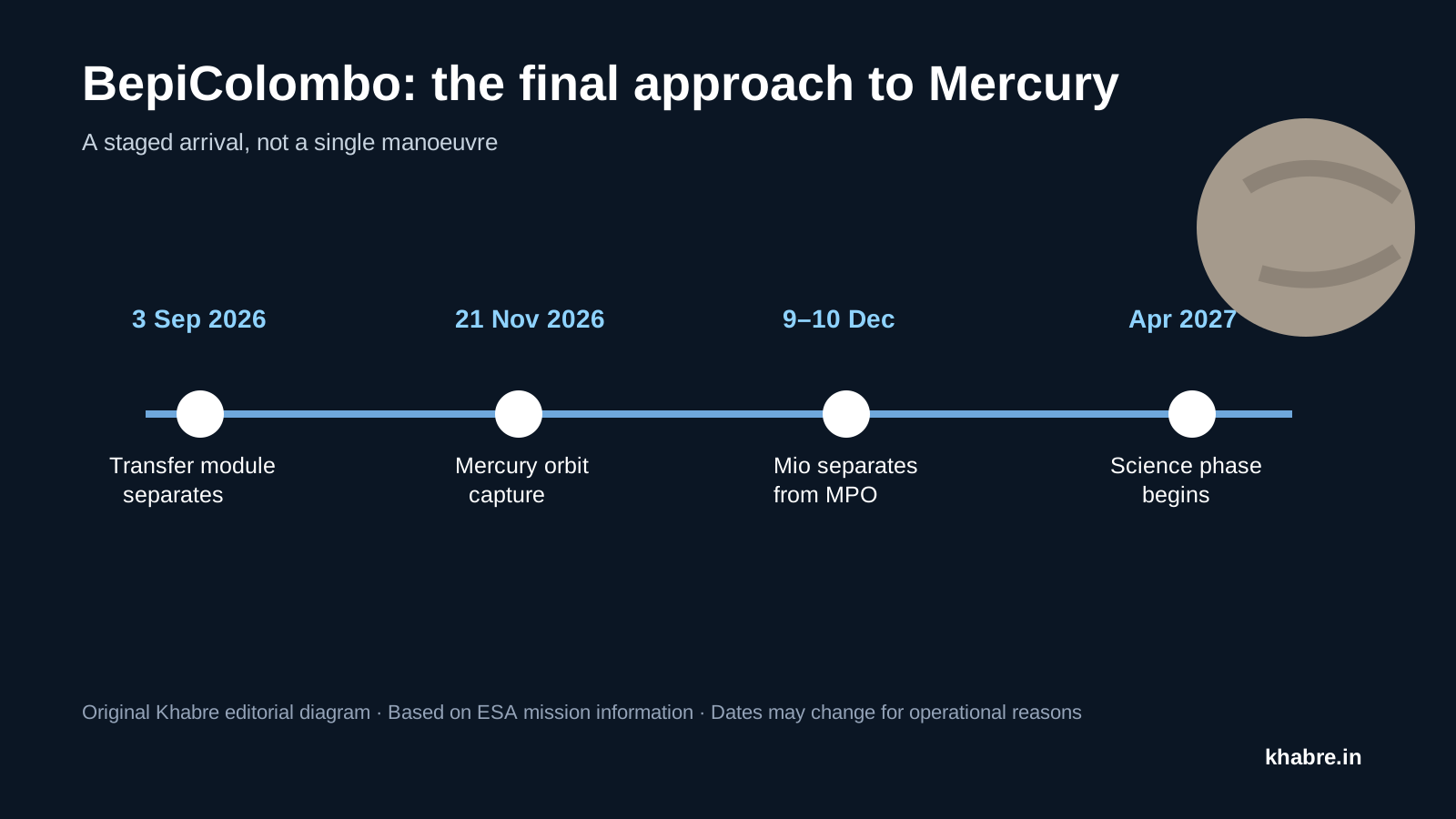
BepiColombo set to separate transfer module on 3 September 2026

ESA says BepiColombo is scheduled to separate its Mercury Transfer Module on 3 September 2026, beginning the mission’s Mercury arrival phase. Mercury orbit insertion is planned for November, followed by separation of the ESA and JAXA science orbiters in December.

Khabre branded placeholder image

science

ESA Schedules FLEX and Sentinel-3C Launch for 15 September

ESA says FLEX and Copernicus Sentinel-3C are scheduled to launch together on a Vega-C rocket on 15 September 2026. FLEX will measure faint plant fluorescence alongside data from a Sentinel-3 satellite to help characterise global vegetation.

Khabre branded placeholder image

science

ModDNA toolkit builds programmable DNA up to 100 kb

A bioRxiv preprint describes ModDNA, a sequence-design and cloning toolkit for building custom DNA molecules up to 100 kilobases. The researchers used the constructs in single-molecule visualisation assays, including an assay of DNA loop extrusion by human condensin I.

Khabre branded placeholder image

science

Sophie Adenot returns after a record 237-day ISS mission

ESA astronaut Sophie Adenot has returned to Europe after 237 days, 5 hours and 18 minutes in space. Her εpsilon mission set a European record for the longest single spaceflight and included three spacewalks.

Khabre branded placeholder image

science

SPHEREx reveals molecular signatures in 37 brown dwarfs

An analysis of SPHEREx observations of 37 nearby brown dwarfs found atmospheric signatures of water, carbon dioxide, carbon monoxide and methane. The spectra also show differences among objects that current models struggle to explain during cloudy transitions.

Khabre branded placeholder image

science

SPHEREx Reveals Rich Chemistry in Brown Dwarf Atmospheres

A study of 37 nearby brown dwarfs used NASA’s SPHEREx observations to identify water, carbon dioxide, carbon monoxide and methane in their atmospheres. The findings also show that existing models struggle to match spectra during some cloudy atmospheric transitions.

Khabre branded placeholder image

science

Solar Orbiter traces a magnetic switchback to the Sun

Solar Orbiter traced a large magnetic switchback in the solar wind to hot magnetic loops at the Sun. The findings point to interchange reconnection at its origin, with waves and turbulence influencing its later movement through space.

Khabre branded placeholder image

science

Preprint challenges Lean verification of OpenAI’s Navier–Stokes proof

A mathematics preprint argues that Lean’s verification of a formal proof does not guarantee that the proof faithfully represents the original natural-language argument. The authors say this mismatch occurs in the formalisation of OpenAI’s announced Navier–Stokes blow-up proof.

Khabre branded placeholder image

science

NASA Selects Lunar Payloads to Study Ice, Lava Tubes and Hazards

NASA selected three payload suites to study lunar hazards, look for a possible lava tube at the Marius Hills Pit, and measure ice and surface conditions. The investigations are intended to support planning for future Moon operations.

Khabre branded placeholder image

science

JWST Data Trace Dust to Moon- and Mars-Scale Impacts

An analysis of JWST and Spitzer spectra from 21 extreme debris disks found abundant tiny, thermally altered dust. The researchers interpret its mineral signatures as evidence of large collisions during planetary-system evolution.

Khabre branded placeholder image

science

Biohub Expands Virtual Biology Initiative With $1.8 Billion Commitment

Biohub, US federal agencies and industry partners announced a combined $1.8 billion commitment to develop open, AI-ready biological data and measurement technologies. The initiative aims to support predictive models of cell behaviour; the announcement describes planned work, not a completed virtual cell.

Khabre branded placeholder image

science

Preprint describes REZCUE for 3D imaging of archived tissue

A bioRxiv preprint describes REZCUE, a method for imaging archived tissue in three dimensions while preserving DNA, RNA and proteins for later molecular analysis. The authors report its use across commercial antibodies and in a multi-omic analysis of one archived breast cancer specimen.

Khabre branded placeholder image

science

Nitrogen-fixation variation persists across maize relatives

A two-year field study of 60 Zea accessions found that some had 20–40% of their nitrogen derived from the atmosphere. Aerial-root traits changed more consistently across the domestication continuum than this measure of biological nitrogen fixation.

Khabre branded placeholder image

science

Screen links ibuprofen to ciprofloxacin tolerance in C. jejuni

A bioRxiv preprint reports that ibuprofen increased ciprofloxacin tolerance in Campylobacter jejuni in a screen of 2,415 small molecules. The same study identified human-targeted drugs that inhibited the bacterium while sparing commensal microbes.

Khabre branded placeholder image

science

OpenAI’s Public Maths Repository Lists 722 Manuscripts

OpenAI’s public repository catalogues 722 mathematical manuscripts in 372 families, produced mostly with an unreleased internal model. The company says the results are at different stages of verification, and many—but not all—have Lean formalizations.

Khabre branded placeholder image

science

NASA’s SunRISE Mission Targets Launch No Earlier Than Mid-2027

NASA’s six-satellite SunRISE radio astronomy mission is targeting launch no earlier than mid-2027. Flying slightly above geosynchronous orbit, the satellites will work together to track radio bursts from the Sun’s corona.

Khabre branded placeholder image

science

Curiosity Captures Dawn Panorama of Mars’ Yardang Cliffs

NASA’s Curiosity rover captured a six-image dawn panorama of wind-carved cliffs on Mount Sharp. Mission scientists hope to reach the yardangs in 2027 and investigate how the distinctive layer formed.

Khabre branded placeholder image

science

Preprint links HNRNPM to SARS-CoV-2 protein synthesis

A bioRxiv preprint reports that the host protein HNRNPM binds stem-loop 5 in the SARS-CoV-2 5′-UTR and promotes protein synthesis from the viral RNA. Mutations in the structure’s lower stem reduced both HNRNPM binding and protein synthesis.

Khabre branded placeholder image

science

Study finds sampling bias in prokaryotic genome collections

A bioRxiv preprint reports that oversampling closely related prokaryotic strains makes genome collections less informative than their raw counts suggest. Applying the authors’ PhyloThin method to 402 species, the study estimates that the effective sample count is 41% below the actual count.

Khabre branded placeholder image

science

Preprint reports natural enzymes for a key FDCA production step

A bioRxiv preprint describes four rounds of computational screening that identified natural hydroxymethylfurfural oxidases with improved activity on a key FDCA-production reaction. Some candidates approached an engineered benchmark under the tested conditions.

Khabre branded placeholder image

science

NASA Selects PSI-Led Project to Study the Moon’s Marius Hills Pit

NASA selected the Planetary Science Institute-led GIMLI project to investigate whether a large underground void extends from the Moon’s Marius Hills Pit. The planned lander-and-rover study will combine radar, seismic and gravity measurements.

Khabre branded placeholder image

science

AuditPPI probes what protein-interaction models learn

A bioRxiv preprint introduces AuditPPI, a framework for examining the signals behind protein-interaction predictions. Its authors report that benchmark performance can reflect cellular context and other cues, with limited evidence that the predictive signals specifically capture interaction interfaces.

Khabre branded placeholder image

science

Picosecond pulses probe superconductors’ intrinsic current limits

A study used roughly 2-ps electrical pulses to probe intrinsic current limits in thin films of NbN and YBa₂Cu₃O₇. NbN showed a sharp depairing onset at about 2.2 times its conventional critical current density, while YBa₂Cu₃O₇ lost superconductivity gradually as current increased.

Khabre branded placeholder image

science

NASA Tests Roman Telescope Guidance and Coronagraph

NASA says the Roman Space Telescope passed fine-guidance stability tests and captured its first coronagraph images during commissioning in September 2026. The initial coronagraph observations tested focus and pointing rather than reporting a planet detection.

Khabre branded placeholder image

science

New fp-SMD method simulates the bead in optical-tweezer experiments

A bioRxiv preprint introduces fp-SMD, which models the optically trapped bead, linker and biomolecule together. The authors report that it reproduces a cholesterol–β-cyclodextrin rupture-force histogram and captures force-dependent changes in the molecule’s escape route.

Khabre branded placeholder image

science

Study finds rescue transcript rankings can overstate gene-specific evidence

A bioRxiv preprint analysing a PLP1-mutant Jimpy brain dataset finds that normalization choices and shared controls can affect which genes appear to move toward healthy levels after a rescue. The authors say such transcriptomic patterns can indicate broad state restoration without identifying which downstream gene mediates it.

Khabre branded placeholder image

science

Preprint maps a streamlined flagellar scaffold in malaria parasites

A bioRxiv preprint reports that Plasmodium male-gamete axonemes retain key surface motility modules but have a reduced set of proteins inside their microtubule doublets. It also describes proteins involved in doublet organization and the progressive assembly of outer dynein arms.

Khabre branded placeholder image

science

Microbiome features linked to resilience across three climate stresses

A bioRxiv preprint analysing about 29,000 microbiomes reports that network and functional traits were associated with community stability under drought, warming and salinity. The authors suggest baseline sequencing could help identify vulnerable communities before disturbance.

Khabre branded placeholder image

science

Proton-PottsMPNN designs pH-sensitive PD-L1 binders

A bioRxiv preprint describes a sequence-design model that encodes preferred protonation states to create pH-sensitive PD-L1 binders. Yeast-display screens recovered hundreds of candidate designs with transition pH values from 4.0 to 5.8.

Khabre branded placeholder image

science

A Model Uses ACE2 Sequences to Predict SARS-CoV-2 Host Range

A bioRxiv preprint describes a transformer model trained on 8.8 million measured SARS-CoV-2 RBD–ACE2 interactions. It predicts receptor-binding compatibility across animal species and pairs predictions with uncertainty estimates to help prioritise surveillance.

Khabre branded placeholder image

science

Nature retracts study claiming miRNA control of CCR5 frameshifting

Nature has retracted a 2014 study that reported miRNAs and the NMD pathway regulate ribosomal frameshifting in CCR5 mRNA. The journal says a cryptic splice site created artefactual reporter variants, and follow-up assays found no detectable frameshifting with a revised reporter.

Khabre branded placeholder image

science

Partial sleep deprivation altered hippocampal activity and oxygenation in mice

A bioRxiv preprint reports that seven days of partial sleep deprivation progressively reduced spontaneous neuronal activity in the live mouse hippocampus while tissue oxygen levels rose. After seven days of recovery, activity had not returned to baseline and oxygenation continued to increase.

Khabre branded placeholder image

science

Cerebral organoids model human interneuron chain migration

A bioRxiv preprint reports that cerebral organoids cultured for more than six months reproduce a pattern of interneuron migration seen in the postnatal human cortex. The researchers used imaging, transcriptomics and gene perturbations to investigate how the cells move and organize.

Khabre branded placeholder image

science

Mouse Spinal-Cord Connectome Maps Two Modes of Sensory Inhibition

A bioRxiv preprint presents a synapse-resolved electron-microscopy dataset of the mouse spinal dorsal horn and a deep-learning tool for classifying sensory neuron types. Its circuit reconstruction identifies inhibitory pathways that preferentially target individual sensory subtypes while also crossing between sensory pathways.

Khabre branded placeholder image

science

Mouse Spinal-Cord Study Maps Routes for Touch, Itch, Cold and Pain

A bioRxiv preprint maps how mouse spinal-cord circuits route different sensory signals toward the brain. The wiring diagram distinguishes direct routes for noxious and cooling signals from an interneuron-mediated route for touch and itch.

Khabre branded placeholder image

science

Rice blast fungus uses a host peptide as an infection cue

A bioRxiv preprint reports that rice peptide OsRALF7 can trigger infection-structure formation in the rice blast fungus. Experiments in rice plants also suggest the peptide helps guide where those structures form.

Khabre branded placeholder image

science

Cryo-EM structures map how human VIAAT binds GABA

A bioRxiv preprint reports cryo-EM structures of human VIAAT in two states, identifying a GABA-binding pocket and a proposed gate that opens toward the synaptic-vesicle interior.

Khabre branded placeholder image

science

Genomes and fossils point to a late-Palaeocene origin of bats in Europe

A genome-scale analysis combining bat DNA with fossil anatomy identifies Europe as the probable origin of bats, and therefore powered flight, in the late Palaeocene. The study also revises relationships among bat families and places laryngeal echolocation before the diversification of living bats.

Khabre branded placeholder image

science

ProxiNet infers cellular neighborhoods from dissociated single-cell data

A bioRxiv preprint describes ProxiNet, a framework that learns cellular proximity from spatial transcriptomics and applies those relationships to dissociated single-cell RNA sequencing. The authors report spatial validation and use the approach to identify inferred neighborhoods in an Alzheimer dataset.

Khabre branded placeholder image

science

Human pangenomes reveal regulatory evolution in transposable elements

A bioRxiv preprint analysing 231 haplotype-resolved human pangenomes reports that variable transposable elements can gain, change or lose regulatory effects before they become fixed. Their effects depend on DNA methylation and transcript context.

Khabre branded placeholder image

science

Exposomics study links combined exposures to disease-related traits

Exposomics combines measurements of environmental and lifestyle exposures with genetic information. A 2026 analysis found that groups of exposure markers explained more variation in disease-related traits than markers assessed individually, while researchers work to connect those patterns to individual risk.

Khabre branded placeholder image

science

BEACON aims to improve sample assignment in single-cell RNA sequencing

A bioRxiv preprint describes BEACON, a method that learns background count patterns to assign single cells to their samples in multiplexed sequencing. The authors report improved classification across human datasets and applications in cancer-cell experiments and protein–transcriptome profiling.

Khabre branded placeholder image

science

PRIORITI uses genetic evidence to forecast drug target success

A bioRxiv preprint describes PRIORITI, a framework that combines language-model synthesis of human genetic evidence with supervised learning to forecast whether a proposed drug target–disease pairing will succeed. The authors report results on historical and post-cutoff benchmark sets.

Khabre branded placeholder image

science

Earth’s inner core may drive multidecadal changes in day length

A Nature study links broad, multidecadal changes in Earth’s day length to gravitational torque from the inner core. Its model-based reconstruction combines seismic estimates of inner-core rotation with core-flow models derived from changes in Earth’s magnetic field.

Khabre branded placeholder image

science

MIMOSA Uses Known Antibody Interfaces to Guide Generative Design

A bioRxiv preprint describes MIMOSA, a framework that guides antibody-generating models using the structure of a known binder interface. The authors report experimentally validated binders against three targets, with hit rates of 20–26%.

Khabre branded placeholder image

science

EpiZoo model uses DNA sequence to compare single-cell epigenomics across species

A bioRxiv preprint introduces EpiZoo, a 2.6-billion-parameter model trained on about 20.9 million single cells from multiple species. Its authors report performance on several single-cell analysis tasks and describe applications in comparing regulatory patterns and prioritising cancer mutations.

Khabre branded placeholder image

science

Preprint reports a 3D tile that forces non-repeating tilings

An arXiv preprint describes Chair44, a single polyhedral tile that the author says fills three-dimensional space only in arrangements with no translational period. The reported proof combines geometric constraints with exhaustive finite checks and Lean 4 formalization.

Khabre branded placeholder image

science

Hubble Completes 200,000 Orbits While Tracking Supernova Athena

NASA says Hubble completed its 200,000th orbit around Earth on Sept. 19, 2026, the same day it imaged galaxy cluster MACS J0417. The observatory is making repeated observations as astronomers anticipate a lensed reappearance of supernova Athena.

Khabre branded placeholder image

science

NASA’s DAVINCI Probe Model Passes Venus Heat Test

NASA says an engineering model of its DAVINCI Venus probe completed six furnace cycles reaching 465°C. The test evaluated the model’s thermal protection ahead of the probe’s planned descent through Venus’ atmosphere.

Khabre branded placeholder image

science

Study Maps Differences in ctDNA Release in Breast Cancer

A bioRxiv preprint reports that tumour-cell states, mutations, tumour architecture and immune signals were associated with differences in ctDNA release in ten patients with non-metastatic HR+/HER2− breast cancer. The findings offer a biological framework for understanding why tumour DNA detected in tissue may differ from what appears in blood.

Khabre branded placeholder image

science

Genetic-Ancestry Differences Challenge Tabular AI Models, Preprint Finds

A bioRxiv preprint reports that TabICL and TabPFN prediction performance declines as genetic ancestry dispersion increases in evaluation data. The authors also report that instruction-tuning TabICL on synthetic tasks designed to model ancestry-dependent effects improves performance stability across ancestry-distance groups.

Khabre branded placeholder image

science

Finetuning helps Boltz-1 model ligand-driven protein shape changes

A bioRxiv preprint reports that targeted finetuning helped the co-folding model Boltz-1 predict a ligand-bound, inactive conformation of Werner helicase. The authors used ten previously unseen X-ray structures and report generalisation to other chemical series and related helicases.

Khabre branded placeholder image

science

Atlas maps gene regulation across 21 adult human tissues

Researchers report a single-nucleus atlas spanning 21 adult human tissues and four donors, combining gene-expression and chromatin-accessibility data. It maps candidate regulatory elements and gene links, and uses sequence-to-function models to predict effects of fine-mapped variants.

Khabre branded placeholder image

science

Early mtDNA mutations drove age-related pathology in mice

A bioRxiv preprint reports that mitochondrial DNA mutations arising during mice’s first two months were sufficient to drive age-related pathologies. The authors also found that tissue-specific selection and mitochondrial fusion influenced the mutations’ later fate.

Khabre branded placeholder image

science

STARD9 variants linked to opposite lysosome positioning

A bioRxiv preprint reports that rare and common STARD9 variants are associated with different lipid disorders and opposite changes in lysosome positioning. The authors connect those differences to cholesterol handling in cells and, in knockout mice, to intestinal cholesterol absorption.

Khabre branded placeholder image

science

A polymer model links ecDNA copy number to steadier oncogene contacts

A bioRxiv preprint uses a polymer-physics model to explain how ecDNA copy number may shape regulatory contacts in cancer-cell condensates. In the model, contacts in oncogene-associated regions grow stronger and become less variable as copy number increases.

Khabre branded placeholder image

science

Trapped-Ion Simulator Reveals Edge-Led String Breaking

A 13-spin trapped-ion simulator reproduced string breaking in a one-dimensional gauge-theory model. The experiment found that simulated charge pairs formed near the string’s edges and spread towards its centre when string tension was present.

Khabre branded placeholder image

science

TB preprint identifies Pks12’s role in cell-surface lipids

A bioRxiv preprint reports that the Pks12 enzyme helps generate a lipid that shapes the surface and arabinoglycan architecture of Mycobacterium tuberculosis. The researchers combined analysis of more than 50,000 bacterial isolates with validation in zebrafish and mouse models.

Khabre branded placeholder image

science

H5N1 and H5N5 Found in Six Red Foxes in Norway

A bioRxiv preprint reports H5N1 and H5N5 infections in six red foxes in Norway between 2022 and 2024. The investigation found systemic infection and detected a mammalian-adaptation marker in two H5N1 viruses.

Khabre branded placeholder image

science

Open model maps tumour-enriched regions in colorectal cancer slides

Researchers at OmiCore have released an openly licensed image-analysis model that marks tumour-enriched regions in colorectal cancer tissue slides. In a preprint, the team reports agreement with transcriptomics on one section and describes limits including its 112 μm resolution and lack of validation across scanners and institutions.

Khabre branded placeholder image

science

MCseg raises cell-segmentation score in a lung cancer dataset

A bioRxiv preprint describes MCseg, a no-code tool whose segmentation workflow was selected through AI-agent-guided searches. In a lung adenocarcinoma dataset, its fixed-parameter workflow scored higher on panoptic quality than an Optuna-tuned Cellpose baseline.

Khabre branded placeholder image

science

Preprint finds RELAX likelihood estimates vary across repeated runs

A bioRxiv preprint reports that RELAX produced different likelihood estimates in repeated runs, with some changes reversing statistical conclusions. The authors link the instability to site-class models and show that a seed alone did not ensure repeatable results in their tests.

Khabre branded placeholder image

science

Anthropic says Claude identified a new bacteriophage enzyme system

Anthropic says Claude agents identified a previously uncharacterised system in bacteriophages, built around a reverse transcriptase and an array of DNA repeats. Early lab experiments found that the array is expressed as distinct short RNAs; the system’s function is still under investigation.

Khabre branded placeholder image

science

CERN Starts Removing LHC Magnets for the High-Luminosity Upgrade

CERN has begun dismantling magnet sections near the ATLAS and CMS experiments as part of the LHC’s third long shutdown. The work prepares for new niobium-tin inner triplets designed to produce magnetic fields about 40% stronger than those of the current magnets.

Khabre branded placeholder image

science

Nature correction raises a reported chiral-rod force ratio from 0.8 to 24

A Nature correction fixes a normalization formula and a Methods expression in a 2025 study of chiral metamaterials. The revised figures report a maximum force ratio of 24 instead of 0.8 for one example; the authors say the corrections do not affect the study’s analyses or conclusions.

Khabre branded placeholder image

science

VLT reveals a puzzling bow shock around a disc-free white dwarf

ESO says observations with the Very Large Telescope reveal a long-lived bow shock around the white dwarf RXJ0528+2838, despite the system having no disc to drive the outflow. Its strong magnetic field may help explain the shock, but the observed field appears insufficient to account for its full inferred lifetime.

Khabre branded placeholder image

science

Japanese field samples reveal gene flow between two pine nematodes

A bioRxiv preprint reports nine high-confidence hybrids between invasive Bursaphelenchus xylophilus and native B. mucronatus in Japanese field samples. Genome-wide analyses identified both F1-like and advanced backcross-like individuals, including some missed by a single-locus test.

Khabre branded placeholder image

science

THIK1 Structures Show Related Inhibitors Act Differently

A bioRxiv preprint reports cryo-EM structures of human THIK1 bound to two chemically related inhibitors. Both occupy the same pore site, but structural and electrophysiological results indicate that they affect a second channel gate differently.

Khabre branded placeholder image

science

Preprint finds charge screening drives aminoglycoside DNA sensor signals

A Stanford team reports that electrostatic charge screening, rather than target-triggered DNA shape changes, dominates the signal in a benchmark aminoglycoside electrochemical sensor. The findings are from a bioRxiv preprint and concern this sensor system.

Khabre branded placeholder image

science

Anthropic says Claude agents found a new phage enzyme system

Anthropic says Claude agents identified a previously uncharacterized enzyme system in bacteriophages, built around a known reverse transcriptase and an array of DNA repeats. Early laboratory experiments found that the array is expressed as distinct short RNAs, but the system’s function is still being investigated.

Khabre branded placeholder image

science

Protein-affinity benchmark finds deep-learning models vary across targets

A bioRxiv preprint introduces PLABench, a benchmark comparing nine deep-learning methods for predicting protein–ligand binding affinity. Its authors report that strong overall accuracy did not translate into consistent performance across targets or protein families.

Khabre branded placeholder image

science

NASA Advances PRIMA Far-Infrared Telescope to Phase B

NASA has selected PRIMA to enter Phase B, advancing plans for a far-infrared space telescope designed to survey the universe. The mission is targeted to launch in 2033, pending further development and review.

Khabre branded placeholder image

science

Study links Earth’s inner core to multidecadal changes in day length

A Nature study models changes in Earth’s day length from 1964 to 2019 and finds that gravitational torque associated with the inner core can drive the broad multidecadal variations. In the models, electromagnetic or topographic torques at the core–mantle boundary tend to oppose that motion.

Khabre branded placeholder image

science

Humans have lower cartilage GAG levels than other apes, study finds

A study of human and great-ape cartilage found roughly threefold lower glycosaminoglycan levels in humans and traced this difference to widespread changes in skeletal gene regulation. The authors suggest the shift may have influenced human skeletal traits and vulnerability to degenerative disease.

Khabre branded placeholder image

science

Two lutetium ion clocks agree within 5.7 × 10⁻¹⁹

Researchers compared two room-temperature 176Lu+ optical frequency references and measured a fractional frequency difference consistent with zero. Each reference had an evaluated systematic uncertainty near 1 × 10⁻¹⁹.

Khabre branded placeholder image

science

Single-nucleus study maps genetic signals for 12 brain disorders

A study used single-nucleus data from human prefrontal cortex to map genetically regulated gene-expression signals across 12 brain disorders. Its cell-type and ancestry-aware models identified associations that bulk-tissue analyses missed.

Khabre branded placeholder image

science

Global study finds outbreak risks differ by disease and landscape

A global analysis of 58,319 outbreak events across 32 diseases found shared landscape associations for several vector-borne infections, but less consistent patterns for directly transmitted zoonoses. The study also found that outbreak reporting was strongly associated with access to healthcare.

Khabre branded placeholder image

science

One-tonne Iron Age iron cache points to Danube trade

A cache of more than a tonne of iron bars found in northern Austria is the largest reported and suggests substantial Iron Age transport along the Danube. The metal could have been enough to make roughly 500 swords.

Khabre branded placeholder image

science

Lake Powell Reaches a Record-Low Water Level in 2026

Lake Powell fell below its previous record-low elevation in August 2026 and stood at 3,517.24 feet on September 10. NASA links the decline to scarce mountain snow and unusually warm conditions in the Upper Colorado Basin.

Khabre branded placeholder image

science

Preprint reports uncertainty-guided choices in bumble bees

A bioRxiv preprint reports that bumble bees adjusted opt-out choices to task difficulty and transferred the strategy to new tactile and working-memory tasks without retraining. The findings suggest that uncertainty-guided decision-making can occur in a brain with about one million neurons.

Khabre branded placeholder image

science

Amoeba Reproduces at 63°C, Setting a Heat Record for Eukaryotes

NASA-funded research reports that Incendiamoeba cascadensis can reproduce at 63°C in heated waters at California’s Lassen Volcanic National Park. The finding raises the known upper temperature limit for reproduction among eukaryotes.

Khabre branded placeholder image

science

Preprint links lysosomal acid lipase to phagosome maturation

A bioRxiv preprint reports that lysosomal acid lipase helps release cholesterol during phagosome maturation. Inhibiting the enzyme changed membrane organisation and had different effects on the survival of two bacterial pathogens.

Khabre branded placeholder image

science

Nature Comment Sets Out Six Principles for Academic Freedom

A Nature Comment by Leiden University rector Sarah de Rijcke proposes six principles for protecting academic freedom while recognising legitimate concerns such as research security and public accountability. It argues that independent enquiry is a practical condition for producing reliable, challengeable knowledge.

Khabre branded placeholder image

science

Scientists are mapping the many ways cells can die

Modern gene editing, high-resolution imaging and omics tools have expanded cell biology beyond the two classic forms of cell death. Researchers are also finding that some cells can delay death or recover after a death programme begins.

Khabre branded placeholder image

science

Preprint profiles siRNA selection after insecticidal dsRNA delivery

A bioRxiv preprint profiles RISC-bound small interfering RNAs produced after insecticidal double-stranded RNA was injected into Tribolium castaneum larvae. The study links strand representation and terminal RNA modifications with sequence and structural features that could improve future pest-control design.

Khabre branded placeholder image

science

Forecasts put this El Niño on track to break records

Sea-surface temperatures in the central tropical Pacific were about 2.9°C above the current climate baseline in early September, and forecasts give the event more than a 90% chance of surpassing every El Niño recorded since the 1870s. The expected effects vary by region but include drought, crop losses, peatland fires, floods and coral bleaching.

Khabre branded placeholder image

science

Lead in ink could help read sealed Herculaneum scrolls

Researchers used lead-containing ink, tomography and virtual unrolling to detect writing in carbonized scrolls without opening them. The laboratory demonstration could improve efforts to read fragile scrolls buried by the eruption of Vesuvius.

Khabre branded placeholder image

science

Trimethoprim suppresses toxin-linked phage activity in STEC

A bioRxiv preprint reports that trimethoprim reduced phage production and toxin production in laboratory experiments with a clinical Shiga toxin-producing E. coli isolate. The effect persisted alongside DNA-damaging antibiotics that normally increase phage activity.

Khabre branded placeholder image

science

SPECTRA uses gene networks to predict CRISPR cell responses

A bioRxiv preprint introduces SPECTRA, a graph-based model that predicts gene-expression responses to CRISPR perturbations by propagating signals through gene regulatory networks. The authors report improved recovery of sparse perturbation-related changes in a large-scale single-cell CRISPRi benchmark.

Khabre branded placeholder image

science

Graph-based neural networks improve paramyxovirus host predictions in sparse-data tests

A bioRxiv preprint describes a graph neural network that incorporates viral evolutionary relationships when predicting the host associated with a paramyxovirus sequence. The authors report advantages over unstructured neural networks when training data are sparse, while finding that phylogeny alone explains much of the predictive performance.

Khabre branded placeholder image

science

BRIDGE transfers multigene pathways into 10 yeast genera

A bioRxiv preprint describes BRIDGE, a platform that transferred a 16-kilobase, five-gene violacein pathway into ten phylogenetically diverse yeast genera. Expression was strongest across six tested Saccharomyces species and varied in other yeasts.

Khabre branded placeholder image

science

Preprint links bumblebee ocelli to light-dependent flight control

A bioRxiv preprint reports that blocking bumblebee dorsal ocelli disrupts the visual system’s normal response to brightness. The effect was associated with poorer orientation at dusk and reduced flight speed under bright daytime conditions.

Khabre branded placeholder image

science

AI picture naming is not consistently localised to one attention head

A bioRxiv preprint tested picture naming in six vision-language models by silencing each attention head in turn. The results ranged from one strongly necessary early head to no critical head, showing that disruption and computation are not the same.

Khabre branded placeholder image

science

ARCHER-LD uses GPUs to speed biobank-scale LD calculations

A bioRxiv preprint introduces ARCHER-LD, a multi-GPU tool for calculating linkage disequilibrium across very large sequencing datasets. The authors report speedups of about eightfold to 28-fold over PLINK in benchmark tests and complete a 10-quadrillion-element LD matrix in under six hours on 512 GPUs.

Khabre branded placeholder image

science

Focused ultrasound shows no measurable arousal change in macaques

A bioRxiv preprint found no measurable change in arousal when focused ultrasound was applied to the central lateral thalamus of two anaesthetised rhesus macaques. The animals remained physiologically stable, while the authors propose testing more distributed stimulation in future studies.

Khabre branded placeholder image

science

Study identifies two early progenitor lineages that build the brain

Mouse lineage-tracing experiments and human stem-cell differentiation studies indicate that the developing brain arises from two parallel neural ectoderm progenitors. The finding concerns embryonic cell lineages, not two physically separate adult organs.

Khabre branded placeholder image

science

Study finds dermal bone grows through cell invasion

A bioRxiv preprint reports that dermal bone thickens through invading osteoblasts that deposit new mineralised matrix inside older bone. The finding challenges the conventional view that growth relies mainly on bone-forming cells adding matrix at the surface.

Khabre branded placeholder image

science

Study identifies a common 2% threshold for black-hole jets

A Nature Astronomy study finds that tidal disruption events produce a second outflow when accretion falls to about 2% of the Eddington limit. The result points to a scale-invariant link between accretion and jet formation in stellar-mass and supermassive black holes.

Khabre branded placeholder image

science

Perseverance Finds Three Water Events on Early Mars

NASA’s Perseverance rover found evidence that water altered rocks in Mars’ Jezero Crater on at least three separate occasions. The sequence includes carbon-dioxide-rich groundwater, a possible lake-related episode and later hot underground water.

Khabre branded placeholder image

science

RetroChimera combines AI models for chemical retrosynthesis

A Nature paper introduces RetroChimera, an AI model that combines two chemically different modelling approaches to predict routes for synthesising small molecules. The researchers report stronger performance than leading baselines, favourable evaluations from organic chemists and transfer to internal pharmaceutical datasets.

Khabre branded placeholder image

science

Biodegradable battery powers ingestible medical devices in pigs

Researchers tested a biodegradable battery made from body-compatible materials in two swallowable devices: an RFID transmitter and a stomach stimulator. The battery began breaking down in simulated gastric fluid within two weeks and dissolved completely after several months.

Khabre branded placeholder image

science

Tree Shrew Hippocampus Shows Hybrid Spatial Coding

A bioRxiv preprint comparing rats with Chinese tree shrews reports that tree-shrew CA1 uses a hybrid spatial code, combining weaker position tuning with more multiplexed neural activity. The findings suggest that spatial representations can change within a conserved hippocampal circuit while retaining core network properties.

Khabre branded placeholder image

science

NASA Activates Roman’s 300-Megapixel Infrared Camera

NASA has activated the Nancy Grace Roman Space Telescope’s Wide Field Instrument, a 300-megapixel infrared camera, and completed an initial test of its coronagraph. The observatory remains in commissioning, with first science images expected by early 2027.

Khabre branded placeholder image

science

Preprint Reports DNA Evidence Supporting Jefferson–Sally Hemings Paternity

A bioRxiv preprint reports that DNA recovered from museum hair samples attributed to Thomas Jefferson supports his direct paternity of children descended from Sally Hemings. The study compares inherited DNA shared with known and putative descendants and remains a preprint.

Khabre branded placeholder image

science

Preprint identifies MSK1 pathway in inflammatory heat pain

A bioRxiv preprint identifies the nuclear enzyme MSK1 as a regulator of TRPV1 expression in a specific subset of pain-sensing neurons. In experimental models, blocking this inflammatory pathway reduced heat hypersensitivity while preserving acute heat sensation and body-temperature control.

Khabre branded placeholder image

science

Perseverance finds three episodes of water activity in Mars’ Margin Unit

NASA’s Perseverance rover found that the Margin Unit in Jezero Crater records at least three separate episodes of water-rock interaction, including a later episode involving heated underground water. The findings revise the picture of how water moved through early Mars.

Khabre branded placeholder image

science

Sustained 10% Oxygen Favors Atrial iPSC-Cardiomyocytes

A bioRxiv preprint reports that maintaining 10% oxygen throughout human iPSC-cardiomyocyte differentiation favoured atrial rather than ventricular specification. The laboratory finding could help produce atrial cells but raises process-design concerns for manufacturing ventricular cells.

Khabre branded placeholder image

science

Preprint reports plastic-like particles lining blood vessels in human brain tissue

A bioRxiv preprint reports chemical and microscopy evidence of synthetic polymers in plastics-enriched preparations from human brain tissue. Particles with spectral properties similar to polyethylene and polypropylene were observed along arterioles and venules, but the work is an early laboratory study of a possible association with brain microvascular pathology.

Khabre branded placeholder image

science

Preprint links short-lived meningococcal outbreaks to gene transfer

A bioRxiv preprint links a focal 2026 meningococcal outbreak in Kent, UK, to genetic changes that may have been acquired from carriage-associated Neisseria. The researchers propose that such highly invasive variants can emerge briefly and then disappear because they are poorly suited to sustained transmission.

Khabre branded placeholder image

science

Assay Reliability Can Cap Variant-Effect Benchmarks, Preprint Finds

A bioRxiv preprint finds that the reproducibility of functional assays can cap measured performance for variant-effect predictors. Correcting for assay reliability shifts the apparent prediction gap from canonical splice sites toward intronic regions 11–50 base pairs from the splice boundary.

Khabre branded placeholder image

science

Preprint presents miRstring for miRNA decoding and artificial RNA design

A bioRxiv preprint describes miRstring, a biogenesis-aware RNA language model trained on 77,708 miRNA precursors from 414 species. The authors report cross-species mature-miRNA boundary decoding and artificial miRNA scaffold designs that repressed target mRNAs in validation experiments.

Khabre branded placeholder image

science

Z-Hunt-DP Speeds Up Thermodynamic Z-DNA Prediction

A bioRxiv preprint presents Z-Hunt-DP, a dynamic-programming reformulation of a thermodynamic Z-DNA prediction method. The authors report that it preserved the original minimum-energy result while producing a 3.30 × 10^5 speedup at 20 dinucleotide positions.

Khabre branded placeholder image

science

Researchers report programmable spins built into DNA

A Technical University of Munich preprint describes synthetic DNA strands carrying flavin chromophores that generate spin-correlated radical pairs. The system can be manipulated with radiofrequency fields and read using optically detected magnetic resonance, with DNA sequence and structure controlling its response.

Khabre branded placeholder image

science

Preprint links early-career success to mentor networks

A preprint study of nearly 900 early-career scientists found that researchers commonly rely on several mentors, with different roles associated with research, job and personal outcomes. The survey analysed US National Institutes of Health K-award applicants, most of whom were award recipients.

Khabre branded placeholder image

science

UK study links science trust to solidarity and openness

A survey of 4,262 UK adults found that most respondents trusted scientists, especially when they saw them as transparent and aligned with people like themselves. These factors were more strongly associated with trust than perceived scientific expertise.

Khabre branded placeholder image

science

Divergent adenovirus linked to disease in New Zealand pig herd

A bioRxiv preprint reports a previously uncharacterised porcine adenovirus in a New Zealand high-health pig herd affected by neonatal deaths and reproductive problems. Genome sequencing placed the virus in the Mastadenovirus genus but on a distinct lineage from characterised porcine adenoviruses.

Khabre branded placeholder image

science

Preprint links convergent Burkholderia evolution to lung decline in cystic fibrosis

A bioRxiv preprint tracking seven Burkholderia multivorans strains from chronic infections in eight cystic fibrosis patients found that the emergence of a dominant bacterial lineage was associated with faster lung-function decline. The study also identified repeated evolutionary changes affecting bacterial functions linked to persistence in the airways.

Khabre branded placeholder image

science

Neonatal AAV-SIL1 therapy prevents Marinesco-Sjögren syndrome in mice

A bioRxiv preprint reports that neonatal AAV-SIL1 gene therapy prevented neurological and muscle disease in a mouse model of Marinesco-Sjögren syndrome. The treatment preserved cerebellar Purkinje cells and maintained its effects through 26 weeks.

Khabre branded placeholder image

science

MERS-CoV Spike Mutations Resist Soluble DPP4 in Cell Experiments

A bioRxiv preprint reports that MERS-CoV spike substitutions L507I and L507H reduced binding to soluble DPP4 while preserving entry into cells with high DPP4 levels. Polymorphisms at the same site found in patient virus sequences showed stronger resistance in the study’s VSV-based cell system.

Khabre branded placeholder image

science

DNA repeat changes can alter drug susceptibility in Mycobacterium tuberculosis

A bioRxiv preprint reports that insertions and deletions in several classes of repeated DNA sequences can change antibiotic susceptibility in Mycobacterium tuberculosis. Laboratory reconstruction identified a ppe53 repeat deletion that produced intermediate resistance to isoniazid, rifampicin and streptomycin.

Khabre branded placeholder image

science

Two EU grants moved a materials researcher into leadership

Anna Sandak describes how two major European grants shifted her work from laboratory experiments to leading a 16-scientist research group and a cross-border consortium developing fungal-biofilm-based building materials.

Khabre branded placeholder image

science

AI agent team identifies a lung-cancer drug candidate

A virtual biotech using up to 37,000 AI agents identified CD276 as a lung-cancer target and proposed an antibody linked to an anticancer drug. The work is at the computational discovery stage, with experimental and clinical validation still ahead.

Khabre branded placeholder image

science

AI system trained on ageing biology targets longevity research

A new AI system trained on ageing-biology data combines specialist language models, 17 benchmark tasks and research tools operated through AI agents. In testing, the specialist models outperformed larger commercial models on many, but not all, ageing-related tasks.

Khabre branded placeholder image

science

Mercury shrank by about 23 kilometres as it cooled

An analysis of wrinkles across Mercury’s cratered surface suggests that the planet’s diameter has decreased by around 23 kilometres since it formed. The finding offers new constraints on how Mercury’s interior evolved over roughly 4.5 billion years.

Khabre branded placeholder image

science

Mouse CA3 neurons match a predicted activation pattern for stable memory recall

A bioRxiv preprint combining mathematical modelling with intracellular recordings in behaving mice reports that CA3 pyramidal neurons have an activation exponent slightly above 1, as predicted for stable memory recall. The analysis included 49 new recordings and 133 cells from two earlier studies.

Khabre branded placeholder image

science

Preprint presents GAVURD to prioritise non-coding rare-disease variants

A bioRxiv preprint presents GAVURD, a trio whole-genome analysis system for finding potentially pathogenic variants outside protein-coding regions. In a proof-of-concept involving 10 unresolved rare-disease cases, it prioritised six potentially causal variants for further study.

Khabre branded placeholder image

science

Preprint atlas benchmarks developmental changes in familial Alzheimer’s organoids

A bioRxiv preprint presents a 658,059-cell reference atlas of human hippocampus development and uses it to study brain organoids carrying the familial Alzheimer’s disease-associated PSEN1 E280A variant. The organoids showed altered cell composition, gene expression and inferred neuronal maturation.

Khabre branded placeholder image

science

New surveys point to possible hidden chambers near Tutankhamun’s tomb

New ground-penetrating radar and microgravity surveys suggest a corridor and possible chambers near Tutankhamun’s tomb in Egypt’s Valley of the Kings. The findings revive the possibility that the site contains an earlier royal burial complex, potentially linked to Nefertiti, but direct inspection still requires approval.

Khabre branded placeholder image

science

Plant Hosts Can Drive Evolution in Complex Root Microbiomes

A bioRxiv preprint reports that synthetic, taxonomically complex bacterial communities rapidly evolved after adapting to novel plant hosts. The changes improved colonisation fitness while preserving the stability of the root microbiota.

Khabre branded placeholder image

science

Sma3s v3 reports broader protein annotation in two benchmarks

A bioRxiv preprint presents Sma3s v3, a scalable workflow for assigning functions to proteins in proteomes, pangenomes and metagenomes. In tests on a Vibrio cholerae pangenome and a metagenomic catalogue, it reported higher annotation coverage than the cited comparator tools.

Khabre branded placeholder image

science

RfaH helps bacterial RNA polymerase sustain long-range transcription

A bioRxiv preprint reports that the bacterial protein RfaH helps Escherichia coli RNA polymerase continue through prolonged pauses during long-range transcription. In experiments using reconstituted transcription and in vivo depletion, RfaH supported longer transcription runs than NusG and was required for successful conjugation.

Khabre branded placeholder image

science

KRAS preprint reports three modes of allosteric control

A bioRxiv preprint maps two distant binding sites in the cancer-associated protein KRAS and reports three forms of allosteric control: coupled, anti-coupled and independent. The finding suggests that a single protein can contain multiple regulatory networks with potential implications for drug design.

Khabre branded placeholder image

science

Preprint reports LAMP assay for Balamuthia mandrillaris

A Purdue University team reports a loop-mediated isothermal amplification assay for detecting Balamuthia mandrillaris. In laboratory testing, the assay detected multiple isolates with higher sensitivity than conventional PCR and produced a visible colour-based result.

Khabre branded placeholder image

science

LongPhase-TO reconstructs tumour haplotypes from tumour-only DNA

A bioRxiv preprint presents LongPhase-TO, a long-read method for reconstructing somatic haplotypes from tumour samples without matched normal DNA. In tests on eight datasets from six cancer cell lines, the method lengthened haplotype blocks and improved somatic variant-calling scores.

Khabre branded placeholder image

science

Preprint links PBF protein to cell movement control

A bioRxiv preprint reports that the protein PBF/PTTG1IP helps coordinate cell adhesion, front–rear polarity and directional movement. The findings come from mouse fibroblasts and human thyroid cancer cells, making them preclinical mechanistic evidence.

Khabre branded placeholder image

science

Preprint links genomic inbreeding to growth decline in Chinese bahaba

A bioRxiv preprint reports severe growth depression in Chinese bahaba after two generations of closed captive breeding from 18 wild founders. Whole-genome analysis linked the decline to increased genomic inbreeding and identified candidate pathways relevant to conservation breeding.

Khabre branded placeholder image

science

Rsearch package brings VSEARCH metabarcoding tools into R

A bioRxiv preprint presents Rsearch, an R package that integrates VSEARCH with visualisation, parameter optimisation and conversion tools for metabarcoding analysis. In a mock-community comparison with DADA2, the two pipelines produced abundance profiles that closely matched the expected composition, with differences in OTU counts and computational performance.

Khabre branded placeholder image

science

Preprint maps precision cost of identifying bulk RNA mixtures

A bioRxiv preprint reports that incomplete reference profiles can leave bulk RNA deconvolution targets non-identifiable even when an algorithm returns precise estimates. The authors propose measuring coverage and false-certification risk, and estimate the measurement precision needed for a decisive result in peripheral blood mononuclear cells.

Khabre branded placeholder image

science

Serial ALT measurements estimate liver necrosis in mice

A bioRxiv preprint reports that repeated measurements of circulating alanine aminotransferase, combined with time since acetaminophen exposure, estimated liver necrosis in mice. The method could let researchers follow liver injury in the same animals instead of using separate groups at every timepoint.

Khabre branded placeholder image

science

BigHeart maps an adult human heart in 3D at 8.01-micron resolution

A bioRxiv preprint presents a continuous three-dimensional structural map of a whole adult human heart at 8.01-micron isotropic voxel size. The dataset brings myocardial structure, electrical conduction tissue, blood vessels, lymphatic collectors and autonomic nerves into one spatial framework.

Khabre branded placeholder image

science

Computational models probe circuits behind TMS D- and I-waves

A Duke-led computational preprint compares cortical-column models to explain the short-latency D- and I-wave responses produced by cortical stimulation. Models of motor and auditory cortex reproduced both wave types, while the somatosensory model generated rhythms with mismatched timing.

Khabre branded placeholder image

science

P2Y6 Shapes Opposing Chemokine Responses in Mouse Macrophages

A bioRxiv preprint reports that blocking the P2Y6 receptor reduced CCL2 but increased CXCL1 release from mouse macrophages stimulated through TLR3. The findings identify extracellular-nucleotide signaling as a selective regulator of inflammatory chemokine responses in this cell model.

Khabre branded placeholder image

science

RSV study maps mutations that can weaken infant antibodies

A Nature study tested nearly all single amino-acid mutations in RSV’s fusion protein and measured their effects on two antibodies used to prevent severe disease in infants. Resistance-associated sequence patterns were rare in current surveillance data, while the results provide a framework for tracking viral escape.

Khabre branded placeholder image

science

Thorium-229 Nuclear Clock Signal Detected by Absorption

Researchers detected the low-energy nuclear resonance of thorium-229 using a continuous-wave laser and absorption measurements rather than slow fluorescence detection. The technique provides a faster spectroscopy and feedback method for developing a solid-state nuclear clock.

Khabre branded placeholder image

science

NASA’s 2025 Astronaut Candidates Reach Midpoint of Training

NASA says its 10 astronaut candidates are approximately halfway through a nearly two-year training programme. Recent exercises included lunar geology fieldwork, aircraft flights, altitude-chamber runs and water-survival training.

Khabre branded placeholder image

science

Human cortical organoids form active grafts in mouse brains

Researchers developed a mouse model in which human stem-cell-derived cortical organoids occupy most of the cerebral cortical space and connect with the host nervous system. The grafts showed organized electrical activity, influenced behaviour and produced measurable responses to experimentally induced hypoxic injury.

Khabre branded placeholder image

science

Nature study maps how salicylic acid activates plant defence genes

A Nature study in Arabidopsis maps how salicylic acid activates plant defence genes through NPR1 and relieves NPR3/NPR4-mediated repression. It identifies MED15A and chromatin changes that connect hormone perception to transcription.

Khabre branded placeholder image

science

NASA sets Sept. 19 date for International Observe the Moon Night

NASA will host a free International Observe the Moon Night event on Sept. 19 at its Goddard Space Flight Center Visitor Center in Maryland. People worldwide can also participate through local observations, virtual events and other activities.

Google wordmark in blue, red, yellow and green on white

science

Google and Terradot Pair Rice-Farm Methane Cuts With Carbon Removal in Brazil

Google and Terradot have agreed to combine methane-reducing irrigation with enhanced rock weathering across more than 200,000 hectares of Brazilian rice farms. Google says the project targets 1 million metric tons of methane-related CO2e impact by 2030 and 1 million metric tons of permanent carbon removal by 2040.

Khabre branded placeholder image

science

Preprint in mice links Angelman syndrome to seizure-prone circuits

A bioRxiv preprint reports that parvalbumin interneurons and dentate-gyrus changes shape seizure susceptibility in Angelman syndrome model mice. The findings point to altered inhibitory control and homeostatic plasticity as possible drivers of epileptogenesis.

Khabre branded placeholder image

science

Preprint Finds Many Single-Cell Studies Miss Small Gene Effects

A bioRxiv preprint using data from 1,494 donors finds that many single-cell gene-expression studies may lack sufficient statistical power to detect small effects. Cell counts, gene-expression levels and sequencing depth strongly influenced which findings were detected and reproduced.

Khabre branded placeholder image

science

Mouse study separates cholinergic neuron pathology from drug action in dystonia

A bioRxiv preprint in a DYT-TOR1A mouse model links striatal cholinergic interneuron pathology to abnormal movements while showing that antimuscarinic drugs can act without those neurons being present. The findings separate a developmental role for the neurons from the circuit mechanism through which the drugs suppress movements.

Khabre branded placeholder image

science

Genome-wide screens map E. coli genes used by RNA and DNA phages

A bioRxiv preprint maps bacterial host factors involved in infection by single-stranded RNA and DNA bacteriophages. The study identifies conserved requirements for F-pilus-dependent infection and links an E. coli capsule architecture to selective phage access.

Khabre branded placeholder image

science

Preprint links PLCXD2 to retinal lipid balance and photoreceptor health

A bioRxiv preprint identifies phosphatidylinositol (PI) as the preferred direct substrate of the enzyme PLCXD2. In a PLCXD2-deficient retinal model, the loss was associated with altered lipid products, synaptic abnormalities, retinal-layer thinning and weaker electrical responses from photoreceptors.

Khabre branded placeholder image

science

Engineered Seedpods Create Timed Microclimates for Forest Restoration

A bioRxiv preprint describes moisture-responsive seedpods that delay seed exposure and create a measurable air-filled microclimate around each seed. Indoor and field trials across several tree species reported faster early seedling emergence without penalising subsequent growth.

Khabre branded placeholder image

science

Generative model CELL-FM links protein sequences to microscopy images

A UCSF-led bioRxiv preprint introduces CELL-FM, a bidirectional generative model that connects protein sequences and cellular context with fluorescence microscopy images. The authors use it for virtual localization, motif analysis and mutagenesis of intrinsically disordered peptides.

Khabre branded placeholder image

science

NASA’s Lunar Orbiter Finds Rare New Moon Crater

NASA’s Lunar Reconnaissance Orbiter has identified McGetchin, a 728-foot-wide crater formed on the Moon between April 11 and May 22, 2024. The impact also disturbed the surrounding surface, creating a four-mile-wide region that is significantly colder at night.

Khabre branded placeholder image

science

Astronomers Confirm Youngest Known Exoplanet in Formation

Astronomers have confirmed Elias 2-24 b, a Jupiter-mass exoplanet less than a million years old and still forming inside its star’s gas-and-dust disk. Its confirmation came from combining archival observations from the Keck Observatory with earlier observations from ALMA and the Very Large Telescope.

Khabre branded placeholder image

science

Preprint reports workflow to reduce autofluorescence in aged human brain tissue

A bioRxiv preprint reports a Tris-EDTA-supplemented photobleaching workflow that reduced autofluorescence by 58–70% in fresh-frozen aged human brain sections while preserving tissue architecture and cellular content. The study also introduces a 28-plex antibody panel for spatial proteomics.

Khabre branded placeholder image

science

New imaging method measures lysosome acidity in living mouse brain

A bioRxiv preprint describes a probe-based method for measuring lysosome acidity in living mouse brain immune cells. The researchers found substantial variation among meningeal phagocytes, with only about 5% reaching a pH below 5.0.

Khabre branded placeholder image

science

Cryo-FIB damage varies by molecular target, preprint finds

A bioRxiv preprint maps how cryogenic focused ion beam milling affects structural preservation at different depths. The apparent damage profile varied with the ion species, molecular reporter and lamella thickness.

Khabre branded placeholder image

science

Brain development study finds two progenitor cell populations

Experiments in mouse embryos, human pluripotent stem cells and other species suggest that the brain develops from two distinct progenitor populations. The study also reports an efficient route to hindbrain motor-neuron cells for laboratory disease research.

Khabre branded placeholder image

science

Deep learning maps how temperature affects Douglas-fir pollen

A bioRxiv preprint describes a convolutional neural network that measured Douglas-fir pollen germination and elongation across temperatures from 5 to 40°C. The study found narrow, distinct thermal optima for the two reproductive processes, mostly between 19 and 23°C.

Khabre branded placeholder image

science

Chinese firms cited more science after US tech restrictions

An analysis of Chinese companies from 2010–22 found that firms placed on the US Entity List produced more patents citing scientific papers and published more research than comparable firms. The pattern suggests that technology restrictions changed how affected companies sought knowledge for innovation.

Khabre branded placeholder image

science

Soybean drought study identifies Trinickia as a candidate

A bioRxiv preprint identifies the soil bacterium genus Trinickia as a candidate for supporting soybean drought resilience. Its abundance was strongly associated with greater root biomass during drought, while drought and rewetting produced different responses in the rhizosphere and bulk soil.

Khabre branded placeholder image

science

Cognitive resilience may improve prediction of Alzheimer’s dementia

Researchers have identified a measure of cognitive resilience that helps explain why people with similar Alzheimer’s-related brain pathology can develop dementia symptoms of different severity. The finding could improve understanding and prediction of Alzheimer’s dementia risk.

Khabre branded placeholder image

science

Physics-based framework targets high-throughput enzyme design

A bioRxiv preprint describes a physics-based framework that combines machine learning, molecular mechanics and microkinetic modelling to predict enzyme reaction rates and selectivity. In tests on an oxidative amidase, the authors report near-experimental accuracy across substrates, mutations and enzyme homologues.

Khabre branded placeholder image

science

Cosmological simulations reveal how little red dots evolve into overmassive black holes

A new set of cosmological radiation-hydrodynamic simulations shows that heavy black hole seeds of about a million solar masses form naturally in dense protocluster regions, undergo a super-Eddington accretion phase that reproduces the spectral features of little red dots, and then grow into the overmassive black holes observed by the James Webb Space Telescope.

Khabre branded placeholder image

science

Consumer Wearables Raise Privacy and Data-Quality Risks in Research

Consumer smartwatches, rings and health apps can make studies easier to run, but a Nature interview highlights risks involving data privacy, security and opaque algorithms. These concerns become more complicated when wearable data are combined with AI systems that shape health interventions.

Khabre branded placeholder image

science

AmbientMapper Targets Contamination in High-Throughput Single-Cell Data

A University of Michigan team has introduced AmbientMapper, a computational method that estimates ambient chromatin contamination in combinatorial single-cell experiments. In a bioRxiv preprint, the authors report a 0.19% wrong-genome rate on a 26-genome reference panel and recovery of low-depth nuclei that standard pipelines discarded.

Khabre branded placeholder image

science

Preprint identifies bacterial partner of a phosphorus-storing wastewater microbe

A bioRxiv preprint identifies a previously undescribed association between the Saccharimonadia bacterium Candidatus Lutisaccharimonas and the phosphorus-accumulating Candidatus Phosphoribacter in wastewater treatment plants. The findings suggest that this microbial interaction could be relevant to biological phosphorus removal.

Khabre branded placeholder image

science

A 16,645-graft study finds limited genetic control of grapevine success

A bioRxiv preprint analysing 16,645 bench-grafted grapevines found that scion genetics explained a limited share of success variation. The study identified one modest, reproducible signal on chromosome 7, while most variation was linked to events affecting entire grafting bundles.

Khabre branded placeholder image

science

Saimaa Ringed Seals Retain About 1% of Y-Chromosome Diversity

A chromosome-level reference genome and resequencing data from 80 Saimaa ringed seals show extremely limited Y-chromosomal diversity compared with other ringed seals. The bioRxiv preprint estimates that the population retains about 1% of the broader Y-chromosomal diversity and 5% of mitochondrial diversity.

Khabre branded placeholder image

science

Coral genome maps link histone marks to gene activity

A bioRxiv preprint presents the first genome-wide maps of four major histone modifications in the reef-building coral Pocillopora damicornis. The maps associate distinct chromatin states with gene expression, receptor-related genes, developmental functions and transposable element-like regions.

Khabre branded placeholder image

science

University of Manchester Uses Earth-2 for UK Air-Pollution Forecasts

University of Manchester researchers used NVIDIA Earth-2 generative models to build a UK-wide air-pollution forecasting workflow at 2–3 kilometre resolution. The training process took two days on an eight-GPU node at Isambard-AI, while smaller training runs and inference now run on NVIDIA’s DGX Spark desktop system.

Khabre branded placeholder image

science

Preprint introduces POME for incomplete biomedical data

A bioRxiv preprint presents POME, a self-supervised model that represents incomplete mixed-type biomedical data as a graph. The authors report improved missing-data imputation and useful sample representations across three biomedical datasets.

Khabre branded placeholder image

science

Cultured Asgard archaea reveal clues to complex-cell origins

Researchers are culturing Asgard archaea, rare microbes whose genomes link them to the ancestors of eukaryotic cells. Microscopy is revealing cell protrusions, movement and possible partnerships that may illuminate how complex life began.

Khabre branded placeholder image

science

Brain atlas maps 4,321 microproteins in Alzheimer’s study

Researchers mapped 4,321 microproteins in 608 post-mortem human brain samples, including dozens with altered expression in Alzheimer’s disease. The atlas expands the molecular inventory available for studying neurodegeneration, while the proteins’ biological roles still require experimental validation.

Khabre branded placeholder image

science

EU changes gene-edited crop rules with NGT-1 and NGT-2 categories

The European Union has changed how gene-edited crops are regulated, dividing them into NGT-1 and NGT-2 categories. The framework could ease adoption of CRISPR-based crop improvements, but limits on the number and size of edits may restrict more complex traits.

Khabre branded placeholder image

science

Wild chimpanzees transfer tools as youngsters learn foraging skills

Camera-trap footage from Senegal shows wild chimpanzees transferring tools during algae fishing, ant dipping and termite fishing. The study found that recipients used tools more after transfers, while initial possessors generally reduced their tool use.

Khabre branded placeholder image

science

Preprint proposes a more sensitive glycan analysis method

A University of Gothenburg preprint models glycan motifs as a containment hierarchy rather than independent features. Across 45 glycomics datasets, the authors report more estimated true positives and identify motif redistributions that conventional marginal analysis misses.

Khabre branded placeholder image

science

Adult Mouse Brain Study Finds Gap Junctions on Neuronal Somata

A bioRxiv preprint reports Cx36 gap junctions at direct contacts between neuronal cell bodies in the adult mouse inferior olive. The finding expands the anatomical basis used to model electrical coupling in this brain region beyond dendritic-spine connections.

Khabre branded placeholder image

science

Preprint maps how replication stress changes DNA-break locations in cancer cells

A bioRxiv preprint integrates genome-wide maps of DNA breaks, replication and transcription in U2-OS and HeLa cancer cell lines. It reports that prolonged low-dose DNA polymerase inhibition redirects breaks toward late-replicating regions and identifies MUS81 as a regulator of recurrent break clusters.

Khabre branded placeholder image

science

DiffGSP models mRNA diffusion to sharpen spatial transcriptomics

Researchers at Shandong University and BGI Research describe DiffGSP, a computational framework that models mRNA diffusion to reconstruct spatial gene-expression patterns. The work is a bioRxiv preprint evaluated across diverse spatial-transcriptomics datasets.

Khabre branded placeholder image

science

Grenoble study finds ecological impact and restoration feasibility can diverge

A bioRxiv preprint compares two landscape-scale restoration scenarios in the French Alps, finding that the configuration with greater ecological impact relied on actions local stakeholders considered harder to implement. Both scenarios affected about 14.5% of the landscape, while their modeled effects extended across much larger areas for connectivity-dependent ecosystem services.

Khabre branded placeholder image

science

Randomly split single-cell data can inflate machine-learning scores

A bioRxiv preprint finds that randomly dividing single-cell data can leak information between training and test sets when related cells share labels. The authors propose eakcheck, a tool that estimates this leakage before a predictive model is trained.

Khabre branded placeholder image

science

Preprint identifies NaV1.7 pathway behind pain in Parkinson’s model

A bioRxiv preprint reports that brain-originating dopaminergic neurodegeneration can produce persistent NaV1.7-dependent hyperexcitability in peripheral sensory neurons in a preclinical Parkinson’s model. Blocking NaV1.7 or disrupting its CRMP2 regulation reduced pain-like behaviours, while human Parkinson’s DRG profiling found related excitability-gene changes.

Khabre branded placeholder image

science

Human PRDM9 variants retain similar function despite DNA diversity

A bioRxiv preprint functionally profiled 80 human PRDM9 alleles and found that most produce similar genome-wide DNA-binding patterns despite extensive sequence diversity. Rare and infertility-associated variants showed unusually broad or minimal DNA binding, pointing to a possible role in disrupted meiotic recombination.

Khabre branded placeholder image

science

Sandia-led team creates cross-platform benchmark that directly measures quantum computational power

A team led by Sandia National Laboratories has developed the QUOPS benchmark, which directly measures the largest computationally relevant quantum circuits a machine can execute and the speed at which it can execute them. Applied to processors from Quantinuum, Google, and IBM, the benchmark revealed a roughly 5-order-of-magnitude gap between current capability and the resource requirements for useful quantum computation.

Khabre branded placeholder image

science

Palm weevil reaches mainland America through Uruguay

A bioRxiv preprint reports that the palm pest Rhynchophorus ferrugineus established on mainland America through Uruguay, spread across nearly 80,000 square kilometres and reached Argentina. The weevil is now attacking several native South American palms.

Khabre branded placeholder image

science

eDNA detects invasive coypu with less sampling effort

A bioRxiv preprint comparing environmental DNA sampling with camera trapping found that water samples detected established coypu populations more reliably with less field effort in southern France. The researchers propose using eDNA for rapid screening and camera traps for information about animal activity and habitat use.

AI-generated representational image for Webb finds brown dwarfs as light as twice Jupiter’s mass

science

Webb finds brown dwarfs as light as twice Jupiter’s mass

The James Webb Space Telescope has identified brown dwarfs in the star-forming region IC 348 with masses as low as twice that of Jupiter. The objects are the least massive brown dwarfs known and could challenge models of how stars form.

Khabre branded placeholder image

science

Companies drill in search of underground hydrogen deposits

Energy companies are exploring for naturally occurring hydrogen in nearly 30 countries, hoping to find a cheaper alternative to manufactured hydrogen. The scale and commercial value of these underground deposits remain open scientific questions.

Khabre branded placeholder image

science

FLEX and Sentinel-3C satellites launch together on Vega-C

ESA’s FLEX Earth Explorer satellite and the Copernicus Sentinel-3C satellite have reached orbit after launching together on a Vega-C rocket from French Guiana. FLEX will measure plant fluorescence linked to photosynthesis, while Sentinel-3C will extend monitoring of oceans, land, ice and the atmosphere.

Khabre branded placeholder image

science

RNF213 tags abnormal glycogen for disposal in brain cells

A Nature study identifies RNF213 as an enzyme that marks abnormal glycogen, or polyglucosan, for autophagy in brain cells. Experiments in engineered cells and mice link the pathway to protection against polyglucosan accumulation.

Khabre branded placeholder image

science

Bio-CM2 Combines Fluorescence and Reflectance in a Miniature Mesoscope

A bioRxiv preprint describes Bio-CM2, a miniature mesoscope combining fluorescence and label-free reflectance imaging across a 7.5 × 10 mm² field of view. Demonstrations in worms, zebrafish and mice paired molecular signals with morphology, behaviour and physiology.

Khabre branded placeholder image

science

Researchers describe REJ platform for joining RNA fragments

A bioRxiv preprint describes RNA-fragment end joining (REJ), a modular system that joins separate RNA units into functional coding mRNAs. The reported platform supports gene complementation, intersectional cell labeling and expression of large proteins.

Khabre branded placeholder image

science

Preprint: fast and slow visual search share one cortical circuit

A bioRxiv preprint reports that 19 human patients used the same cortical regions and oscillatory architecture during easy and difficult visual-search tasks. The researchers suggest that alpha rhythms adjust the speed of this shared circuit rather than switching between dedicated systems.

Khabre branded placeholder image

science

Bacterial Extracellular Matrix Produces a 3D-Printable Hydrogel

A bioRxiv preprint describes a hydrogel made from the extracellular matrix produced by Acinetobacter baylyi ADP1. The material can be modified for light-triggered crosslinking and is reported as porous, injectable, cytocompatible and suitable for 3D bioprinting.

Khabre branded placeholder image

science

Reinforcement Learning Finds New Cardiac Reentry Mechanisms

A bioRxiv preprint reports that reinforcement learning identified previously unreported ways to initiate reentry in models of excitable tissue. Learned stimulation patterns produced unidirectional propagation in cardiac monolayers, while whole-heart experiments offered preliminary evidence that they can influence early wave propagation.

Khabre branded placeholder image

science

Preprint introduces PHACTn for genome-wide variant tolerance

A bioRxiv preprint presents PHACTn, a training-free method that uses mammalian evolutionary history to infer how tolerable single-nucleotide variants may be across the human genome. The authors report strong performance on benchmark sets of non-coding variants using four interpretable parameters and no GPU.

Khabre branded placeholder image

science

LucaCell uses mRNA sequences to model single cells across species

A bioRxiv preprint introduces LucaCell, a foundation model that represents genes through mRNA sequence embeddings instead of fixed gene identifiers. The authors report applications spanning cross-species cell annotation, microbial analysis, chromatin accessibility and influenza infection states.

Khabre branded placeholder image

science

Mount Etna study links eruption speed to carbon dioxide and water

A Cornell-led collaboration reconstructed the magma pathways behind two major Mount Etna eruptions and found sharply different roles for carbon dioxide and water. One eruption paused underground for weeks before erupting, while another reached the surface in hours.

Khabre branded placeholder image

science

Study finds human protein variants beyond genetic sequence

A Nature study analysed a large-scale proteogenomic dataset from 29 healthy human tissues and identified 13,910 protein variants, including non-genetic amino-acid substitutions. The findings suggest that errors and variation during protein production may expand the set of protein forms with potential biological functions.

Khabre branded placeholder image

science

ForceFlowAb Brings Physics Guidance to Antibody CDR Design

A bioRxiv preprint presents ForceFlowAb, a mixture-of-experts flow-matching model that designs antibody CDR sequences and structures with force-field guidance. The authors report more favourable antibody–antigen interaction-energy results than two comparison methods in CDR-H3 and six-CDR design tasks.

Khabre branded placeholder image

science

Drug-company data improves AI protein-folding models

A pharmaceutical consortium fine-tuned an OpenFold3-based model on 20,167 private protein–ligand structures. It outperformed comparable models trained on public data in a test of 1,056 held-out structures, although the study has not yet been peer-reviewed.

Khabre branded placeholder image

science

Brain implant decodes speech and gestures in real time

Researchers used a 253-electrode cortical implant and artificial intelligence to decode intended speech and gestures simultaneously in two people with severe paralysis. The proof-of-concept system displayed words as text and represented gestures through a personalised animated avatar.

Khabre branded placeholder image

science

Preprint identifies how substrate binding activates mammalian GCN2

A bioRxiv preprint reports that binding of the substrate eIF2α relieves an autoinhibitory loop in the mammalian GCN2 kinase. The finding revises the proposed roles of ribosomes and deacylated tRNAs in the integrated stress response.

Khabre branded placeholder image

science

Preprint maps gene network behind rice blast invasion

A bioRxiv preprint identifies how the Pmk1, Mst12 and Bip1 network coordinates the infection process of the rice blast fungus. The network controls appressorium function, effector deployment and invasive growth.

Khabre branded placeholder image

science

Preprint finds ESM-2 encodes signals in disordered proteins

A bioRxiv preprint reports that the protein language model ESM-2 retains meaningful biological information in intrinsically disordered protein regions, despite assigning them less attention. The authors also derive structural features of these proteins from the model’s internal signals.

Khabre branded placeholder image

science

Split-GFP graphene grid captures tagged proteins for 2.58 Å cryo-EM

A bioRxiv preprint presents SGFP–G, a split-GFP graphene grid that selectively captures GFP11-tagged proteins and lets researchers check enrichment by fluorescence before vitrification. The authors demonstrated the platform with apoferritin and obtained a 2.58 Å cryo-EM reconstruction.

Khabre branded placeholder image

science

Zebrafish study links spinal-cord recovery to hoxb5a

A bioRxiv preprint finds that some adult zebrafish fail to recover movement after complete spinal-cord transection despite forming a tissue bridge. Multi-omic analyses and genetic screening identified hoxb5a as a regulator associated with bridge formation, axon regrowth and functional recovery.

Khabre branded placeholder image

science

US NSF plans portfolio-based funding around four research priorities

The US National Science Foundation plans to combine investigator-led research with agency-directed opportunities focused on four cross-disciplinary priorities. The agency has not yet specified the funding or allocation plan, raising concerns among staff about pressure on core discovery research.

Khabre branded placeholder image

science

Preprint describes click-chemistry method for modifying CRISPR complexes after assembly

A KU Leuven-led bioRxiv preprint describes a modular click-chemistry method for attaching fluorophores and DNA to CRISPR-Cas9 ribonucleoproteins without tying the engineering process to how the complex is assembled. In vitro experiments reported by the authors found that modifying an already formed complex provided two-fold greater accessibility of attached DNA.

Khabre branded placeholder image

science

Five-Country Trial Finds Texts and Tutor Calls Improved Maths Learning

A trial across five countries found that children’s mathematics learning improved most when text messages were combined with weekly 20-minute calls from a teacher. Text messages alone also produced better results than the control condition during prolonged school closures.

Khabre branded placeholder image

science

Preprint finds ancient DNA damage correction affects kinship estimates

A bioRxiv preprint comparing matched full-UDG and non-UDG libraries from two medieval Mongolian individuals found trade-offs between site retention, residual disagreement and kinship inference. Corrected mixed-library data supported a first-degree, likely mother–son relationship, while uncorrected data shifted one estimate towards second degree.

Khabre branded placeholder image

science

Nanoscale mapping reveals chemical clusters in fossilised dinosaur tooth

A bioRxiv preprint reports nanoscale chemical mapping of a roughly 150-million-year-old Giraffatitan brancai tooth. The researchers identified magnesium, organic-matter clusters and unexpected Cu3As particles in the enamel, offering clues about tooth formation and fossilisation.

Khabre branded placeholder image

science

Nanopore framework finds hidden variation in DNA methylation

A bioRxiv preprint from Queen Mary University of London presents a genome-wide framework that uses native Oxford Nanopore reads to measure molecule-level DNA methylation variation and co-methylation. In human lymphoblastoid cell data, the analysis found patterns hidden by site-level averages.

Khabre branded placeholder image

science

Preprint presents Isocall for scalable long-read RNA analysis

A bioRxiv preprint describes Isocall, a deterministic method for jointly identifying known and novel transcripts across large PacBio long-read RNA-sequencing datasets. The authors report a joint call across 206 samples in 25 minutes after alignment and profiling.

Khabre branded placeholder image

science

RADIS maps deep intronic RNA structure across pre-mRNAs

A bioRxiv preprint introduces RADIS, a chemical-probing strategy that maps RNA secondary structure across long, intron-rich genomic loci. The study applies it to splice sites, branchpoints and Alu elements, including deep intronic regions that are difficult to analyse experimentally.

Khabre branded placeholder image

science

Machine-learning atlas maps allosteric pockets across the human kinome

A bioRxiv preprint presents a machine-learning structural atlas of kinase inhibitor binding sites, built from 11,945 inhibitor complexes. The analysis suggests that evolutionary relationships between kinases can help predict shared access to allosteric drug pockets.

Khabre branded placeholder image

science

Preprint maps how lipid nanoparticles disrupt model endosomal membranes

A bioRxiv preprint used giant unilamellar vesicles to visualise how two ionisable-lipid nanoparticles interact with model endosomal membranes. The results suggest that apparent pKa alone does not predict the pH at which functional membrane engagement occurs.

Khabre branded placeholder image

science

NASA Targets Aug. 30 for Roman Space Telescope Launch

NASA and SpaceX are targeting no earlier than Aug. 30, 2026, for the launch of the Nancy Grace Roman Space Telescope aboard a Falcon Heavy rocket. The observatory will study dark energy, dark matter and planetary systems.

Khabre branded placeholder image

science

Strong El Niño disrupts fisheries as forecasts point to historic intensity

A strengthening El Niño has already disrupted Peru’s anchovy fishery and contributed to drought, flooding and crop losses across several regions. Forecasts suggest this eastern Pacific event could become unusually intense as it combines with ongoing global warming.

Khabre branded placeholder image

science

Perceptual training changed multisensory learning differently in children with ADHD

A bioRxiv preprint reports that six days of audiovisual timing training reduced susceptibility to the sound-induced flash illusion in both children with ADHD and typically developing children. A Bayesian model indicated that the groups reached this similar behavioral outcome through different changes in perceptual precision and causal expectations.

Khabre branded placeholder image

science

NASA Sensors Track PM2.5 and Black Carbon in Addis Ababa

A NASA-funded network of 10 ground sensors measured PM2.5 and black carbon across Addis Ababa from 2022 to 2025. The data show pollution patterns linked to traffic, fuel burning and holiday bonfires, creating a baseline for future satellite observations.

Khabre branded placeholder image

science

Preprint links 850-nm near-infrared light to lower glucose

A bioRxiv preprint reports that people in windowless offices exposed to desk lamps supplemented with 850-nm near-infrared light had reduced glucose measurements over a three-day experiment, while standard LED exposure was associated with increased levels. The study used an oral glucose tolerance test and continuous glucose monitoring.

Khabre branded placeholder image

science

Preprint: LLMs build interpretable models of social behavior

A bioRxiv preprint introduces MindEvolve, an autonomous workflow that uses large language models to generate interpretable symbolic models of human decision-making in social interactions. The models performed most reliably on simpler economic and social preferences, while some advanced systems showed promise on theory of mind and recursive planning.

Khabre branded placeholder image

science

Curiosity Finds Vast Field of Honeycomb-Like Textures on Mars

NASA’s Curiosity rover has discovered an unusually extensive field of polygonal fractures in a Martian valley. Scientists are studying whether the honeycomb-like patterns formed through drying, temperature changes or processes that compressed ancient sediments.

Khabre branded placeholder image

science

Seismic signals could provide early warnings of tsunamis from underwater volcanoes

Analysis of seismic data from Tonga’s 2022 Hunga eruption found that distant sensors detected T-waves linked to the collapse that produced the eruption’s largest tsunami. Because these signals travel at least seven times faster than tsunamis, they could support earlier warnings after underwater volcanic eruptions.

Khabre branded placeholder image

science

Six-base sequencing profiles neural-cell DNA in cerebrospinal fluid

A bioRxiv preprint reports using six-base sequencing to analyse DNA modifications in cell-free DNA released by neural cells into cerebrospinal fluid. The authors say the approach could support liquid-biopsy research into neurodegenerative disease.

Khabre branded placeholder image

science

Drugs mimicking GABAergic signalling slow glioma growth in mice

An investigation has found that drugs mimicking the effect of GABAergic neurons slowed glioma growth in mice. The result points to a possible way of targeting interactions between neurons and nervous-system cancer, but remains preclinical.

Khabre branded placeholder image

science

Sentinel-6 Satellites Measure El Niño Seas to Improve Hurricane Forecasts

NASA and European partners are using the Sentinel-6 Michael Freilich and Sentinel-6B satellites to measure sea level, waves and atmospheric conditions during El Niño. The observations are being prepared for hurricane forecasting models that estimate how quickly storms may intensify.

Khabre branded placeholder image

science

CynoBrain atlas integrates high-resolution macaque brain data

A bioRxiv preprint introduces CynoBrain, a macaque brain atlas that combines 9.4-tesla MRI, autofluorescence, cortical layers, gene-expression data and neural connectivity in one reference space. The authors also describe an online platform for exploring and integrating the data.

Khabre branded placeholder image

science

NASA Engineers Extend Voyager 2 Science Operations

NASA engineers have redesigned Voyager 2’s power use so that three science instruments can continue operating in interstellar space for at least one extra year. The change addresses the spacecraft’s steadily declining electrical supply after almost half a century in operation.

Khabre branded placeholder image

science

NASA’s Nancy Grace Roman Space Telescope Launches on Falcon Heavy

NASA’s Nancy Grace Roman Space Telescope launched aboard a SpaceX Falcon Heavy on Aug. 30, beginning its three-month journey to its final orbit. The mission will study dark matter, dark energy and exoplanets while testing a coronagraph designed for future direct imaging of Jupiter-like planets.

Khabre branded placeholder image

science

Proposal links an electron microscope to a trapped-ion quantum processor

A preprint proposes coupling the free electrons in an electron microscope to a trapped-ion quantum processor. Its analysis indicates that individual electrons could produce resolvable qubit excitations, enabling quantum-coherent detection and information accumulation across multiple electrons.

Khabre branded placeholder image

science

NASA workshops seek common open-data practices for Artemis lunar science

NASA held two virtual workshops with Artemis Accords signatories on making lunar science data more interoperable, reproducible and accessible. NASA presented its Planetary Data System and related tools as a working model, but no common framework or adoption target has yet been announced.

Khabre branded placeholder image

science

Sentinel-6 Satellites Track Ocean Conditions During El Niño to Aid Hurricane Forecasts

NASA says Sentinel-6B and Sentinel-6 Michael Freilich are measuring ocean height, waves, marine winds and atmospheric properties during El Niño. The observations are intended to improve understanding of storm-fuelling ocean conditions and support hurricane-intensity forecasting, although a quantified forecasting improvement has not yet been reported.