Summary
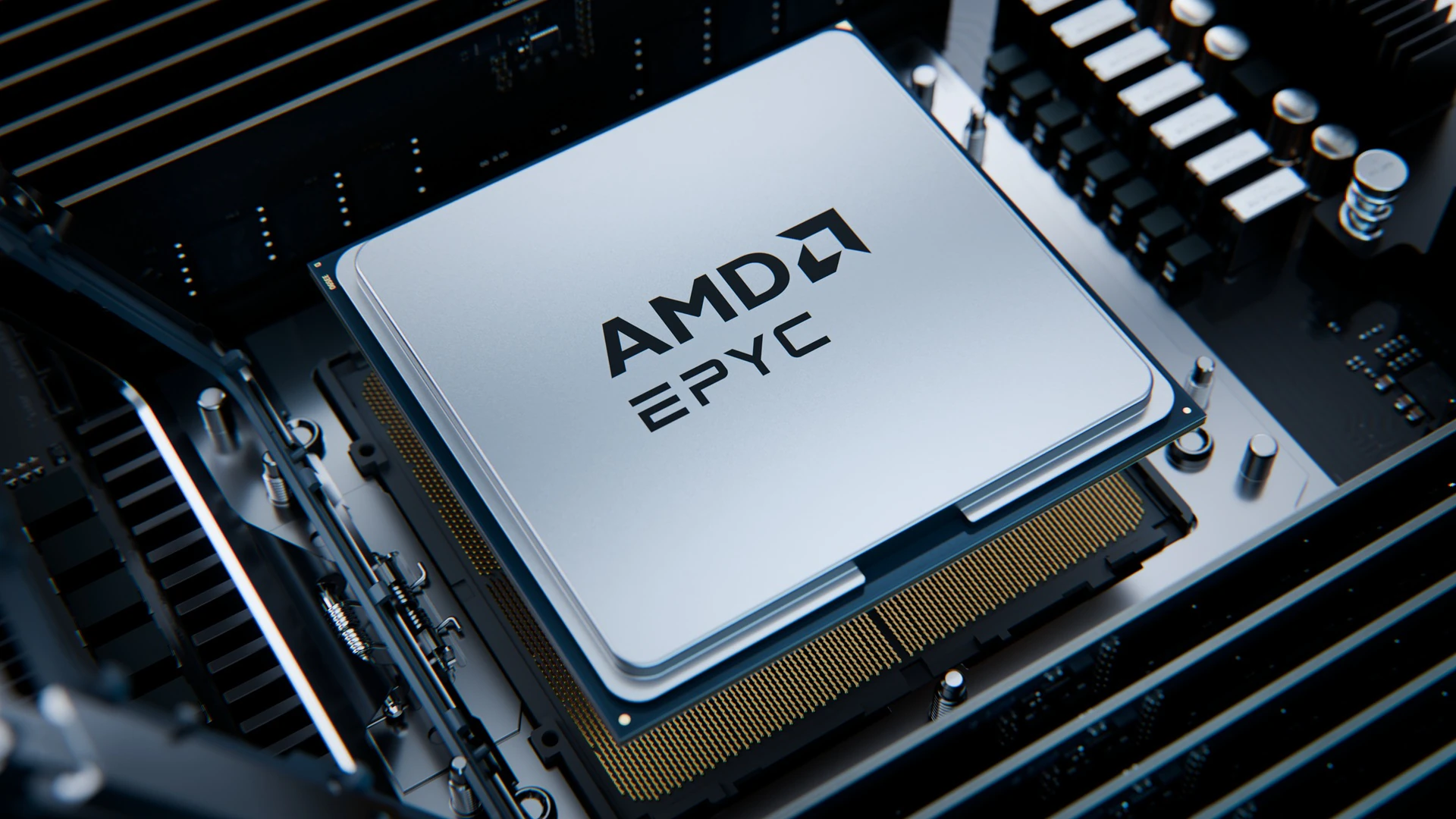
AMD says its Zen 6-based 6th Gen EPYC SP7 server processors are generally available. Systems are shipping from server vendors, with Azure and OCI cloud instances expected soon.
AMD has made its 6th Gen EPYC server processors for the SP7 platform generally available, according to a company press kit published on November 10, 2026. AMD says systems using the processors are shipping from leading server manufacturers, while cloud instances from Microsoft Azure and Oracle Cloud Infrastructure (OCI) are expected soon.
The processors use AMD’s new Zen 6 architecture. The company positions the family for agentic AI deployments as well as demanding enterprise, cloud and high-performance computing workloads.
Systems are shipping from server vendors
The availability announcement brings the new EPYC processors into systems supplied by original equipment manufacturers and original design manufacturers—the companies that build servers under their own or customers’ brands. AMD says systems from these vendors are already shipping. It says Azure and OCI instances will follow, but gives no availability dates for those cloud services.
AMD’s announcement focuses on the processors’ role in data-centre infrastructure rather than on a particular server model. It describes Zen 6 as a redesigned computing foundation and says many of its improvements address the processor-intensive work involved in agentic AI.
The CPU’s role in agentic AI infrastructure
AMD’s account of agentic AI gives CPUs work alongside GPUs: coordinating agents, keeping GPUs supplied with work, and running the applications and databases those agents use. In broad terms, CPUs handle general-purpose computing and system coordination, while GPUs are commonly used for highly parallel computation. The company’s framing is therefore one of complementary roles, not a claim that CPUs replace GPUs.
That distinction matters as data-centre operators plan systems for AI workloads. The mix of processor and accelerator capacity can affect how infrastructure is configured for a given workload, alongside factors such as cooling and connectivity.
AMD’s Helion agentic AI rack is an open infrastructure blueprint that gives customers options for balancing CPU and GPU capacity, cooling and connectivity. AMD describes configurations ranging from CPU-led racks for agent execution at hyperscale to systems combining CPU execution with GPU inference for enterprise deployments. The blueprint extends the processor launch into a broader rack-level approach, while leaving the specific configuration to infrastructure customers.