Summary
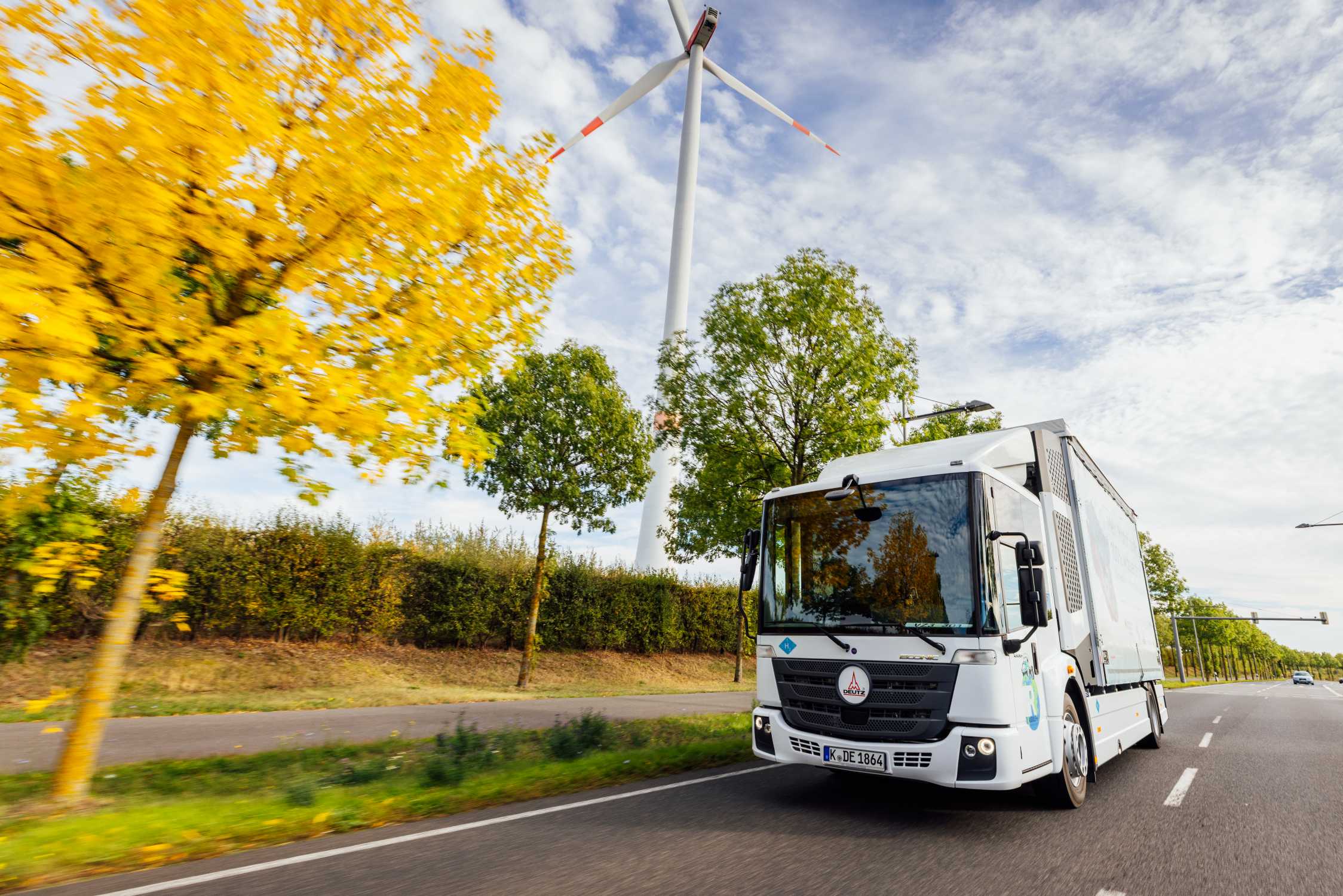
BMW Group has begun testing an 18-tonne truck powered by a hydrogen combustion engine in logistics operations at its Leipzig plant. The field trial will examine how the truck performs on longer routes and in three-shift operations.
BMW Group has begun testing an 18-tonne truck with a hydrogen combustion engine in logistics operations at its Leipzig plant. The field trial, announced on 6 October 2026, will assess the vehicle on longer transport routes and in three-shift operations near the plant.
The truck is initially carrying parts to BMW’s Technology Exterior Components division, which makes plastic vehicle components such as bumpers and spoilers. In a second phase, it is due to deliver exterior components from that division to vehicle assembly on a just-in-time basis. BMW says the trial will provide practical experience with another potential way to reduce emissions from its transport operations.
How the hydrogen engine fits into logistics
Unlike a hydrogen fuel-cell truck, which uses a fuel cell to generate electricity, this vehicle burns hydrogen in a piston engine based on diesel technology. BMW says the engine produces water vapour and virtually no CO₂. The company also says the engine’s diesel-based design could make it easier to integrate into existing vehicle and maintenance arrangements.
BMW presents hydrogen trucks as a possible fit for demanding uses such as high daily mileage, multi-shift work and some long-haul routes. Short refuelling times could reduce vehicle downtime, while hydrogen vehicles may be usable where charging infrastructure or grid capacity is inadequate. Those advantages depend on access to reliable hydrogen filling stations, which the company identifies as a necessary part of deployment.
The emissions claim needs to be understood specifically as a claim about CO₂ from the vehicle’s operation. Hydrogen contains no carbon, but burning fuel in air can still produce pollutants such as nitrogen oxides. The overall climate impact also depends on how the hydrogen is produced. BMW’s announcement describes the trial’s environmental assessment as work still to be carried out, rather than reporting measured emissions results.
A field test within the HyCET project
The Leipzig trial is part of HyCET, a research and development project funded by Germany’s Federal Ministry of Transport. BMW leads the project; DEUTZ developed the hydrogen engine, Rudolph Logistics Group operates the truck, and TEAL MOBILITY installed the hydrogen filling stations. The partners aim to gather data for technical, operational, environmental and economic assessments, and to identify suitable applications for hydrogen trucks.
BMW describes battery-electric and hydrogen trucks as complementary options, with the appropriate technology depending on the transport task and the availability of energy infrastructure. The Leipzig test is intended to help assess where a hydrogen combustion engine might fit that approach. Its findings will matter most for logistics routes where frequent use, rapid refuelling or limited charging capacity are important considerations.