Summary
BMW says it is extending its sustainability measures across the electric and combustion-engine versions of the new 3 Series. The company reports increased use of secondary materials and lower supply-chain emissions, alongside production coordinated across four Bavarian sites.
BMW says it is applying its sustainability measures to both the fully electric BMW i3 and the combustion-engine version of the new BMW 3 Series Sedan. In an announcement on 23 September 2026, the company described changes spanning materials, component production and vehicle efficiency, with specialised manufacturing steps linked across four sites in Bavaria.
The company reports that supply-chain CO₂e emissions were reduced during development by around 37% for the BMW i3 and around 30% for the combustion-engine model. The latter figure is identified as a preliminary forecast; BMW says the final figure will be published in its Vehicle Footprint report before start of production. CO₂e, or carbon dioxide equivalent, expresses the warming impact of different greenhouse gases using a common unit.
Materials and energy across the supply chain
For the electric i3, BMW says its Gen6 battery cells use secondary materials for part of their cobalt, lithium and nickel. Renewable electricity is used to produce the anode and cathode materials and to manufacture the cells. Compared with the Gen5 cell in the BMW i4, the Gen6 cell’s CO₂e footprint per watt-hour is approximately 33% lower, according to the company. That comparison is about the cell’s footprint per unit of energy capacity, not the footprint of the whole vehicle.
Secondary materials also feature in other components. BMW says the bonnet is made from approximately 70% recycled aluminium, while aluminium suspension parts—including wheel rims, swivel bearings and wheel supports—use material produced with renewable electricity for electrolysis and production. The company reports that secondary materials account for around 31% of the electric BMW i3 50 xDrive and around 25% of the combustion-engine 3 Series. The 25% figure is a preliminary forecast, with the final value also due in the Vehicle Footprint report.
The measures extend to production energy and efficiency. BMW says all purchased electricity at its Dingolfing plant comes from renewable sources, with some generated on site. A biomass heating plant there can provide up to 100,000 megawatt hours of locally produced renewable heat—about half the plant’s process-heat requirements. For the electric model, BMW also says silicon-carbide technology in the drive units reduces energy losses by up to 40%.
A Bavarian production cluster and a forthcoming footprint report
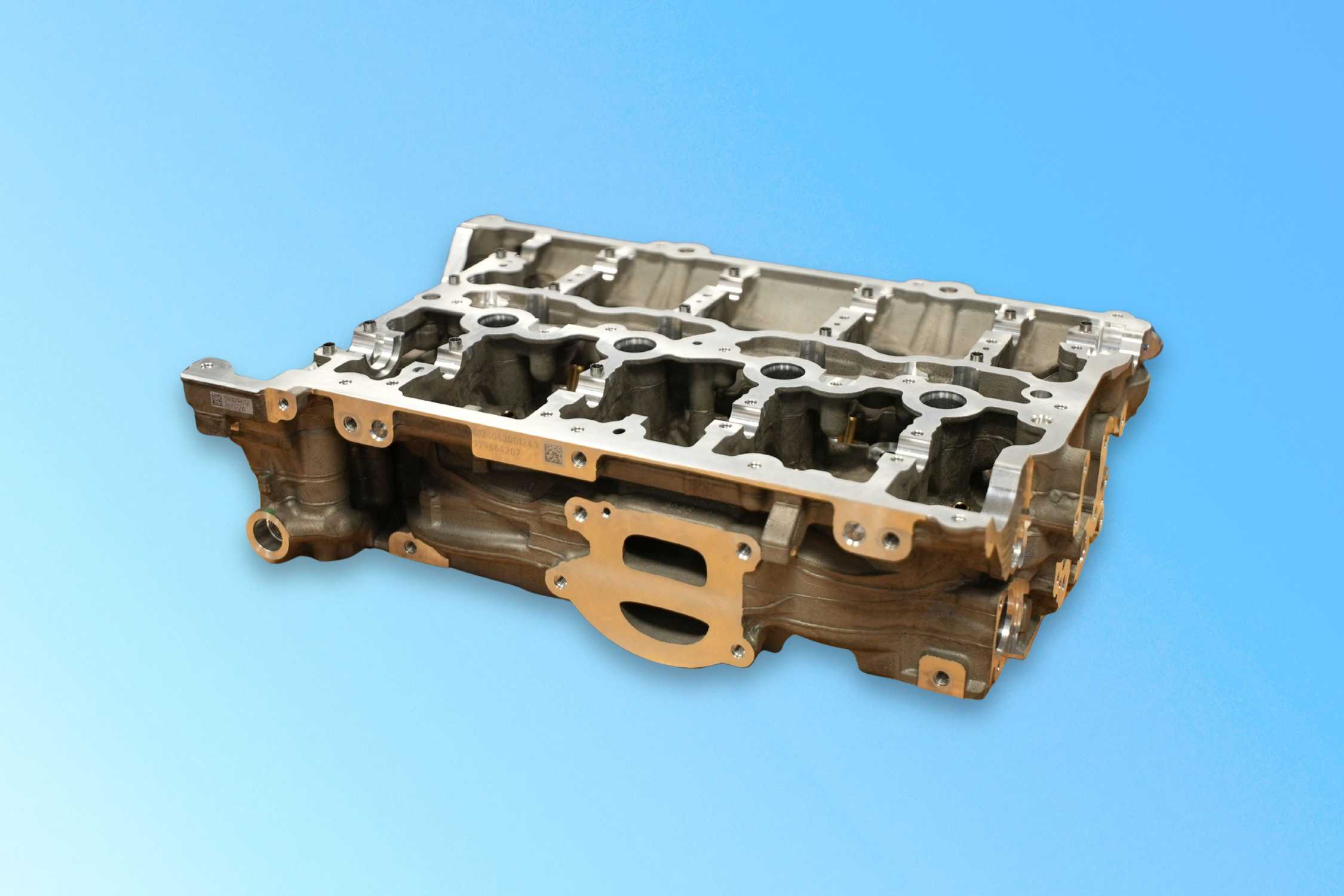
Dingolfing, Landshut, Irlbach-Straßkirchen and Munich contribute different expertise to the production network. Landshut makes the electric rear-axle drive housing as well as engine components for the combustion-engine model. The Irlbach-Straßkirchen site, where battery assembly construction began in spring 2024, is scheduled to supply high-voltage batteries for the BMW i3 from October 2026. BMW says key components will be transported to Munich on electric trucks. Shorter transport distances and coordination between sites are intended to reduce emissions and connect specialised production stages.
BMW also says its Irlbach-Straßkirchen battery assembly site will use no fossil fuels in regular operations: some electricity will come from an on-site photovoltaic system, with the rest supplied from renewable sources. The assembly process is designed not to require water.
To accompany the 3 Series’ launch, BMW plans to publish a TÜV-validated Product Carbon Footprint report, including its calculation methods. The company says component and material footprints are calculated under Catena-X rules, which support standardised emissions-data exchange along the value chain. The report is intended to provide a vehicle-wide view of emissions across its lifecycle; the supply-chain reductions and material shares announced so far describe particular parts of that wider accounting.