Summary
BMW says its Gen6 high-voltage battery received a technology award at the 2026 World New Energy Vehicle Congress in China. The battery combines cylindrical cells, a cell-to-pack design and BMW-developed energy-management hardware and software.
BMW says its Gen6 high-voltage battery received the “Global New Energy Vehicle Innovative Technology” award at the 2026 World New Energy Vehicle Congress (WNEVC) in China. The company says the recognition covers key technologies based on its new round cells with a high-nickel cathode, as well as its integrated approach to battery development.
BMW positions Gen6 as a core technology for its Neue Klasse electric vehicles. The sixth generation of its eDrive technology is to be introduced gradually across the group’s fully electric portfolio.
How the Gen6 battery is designed
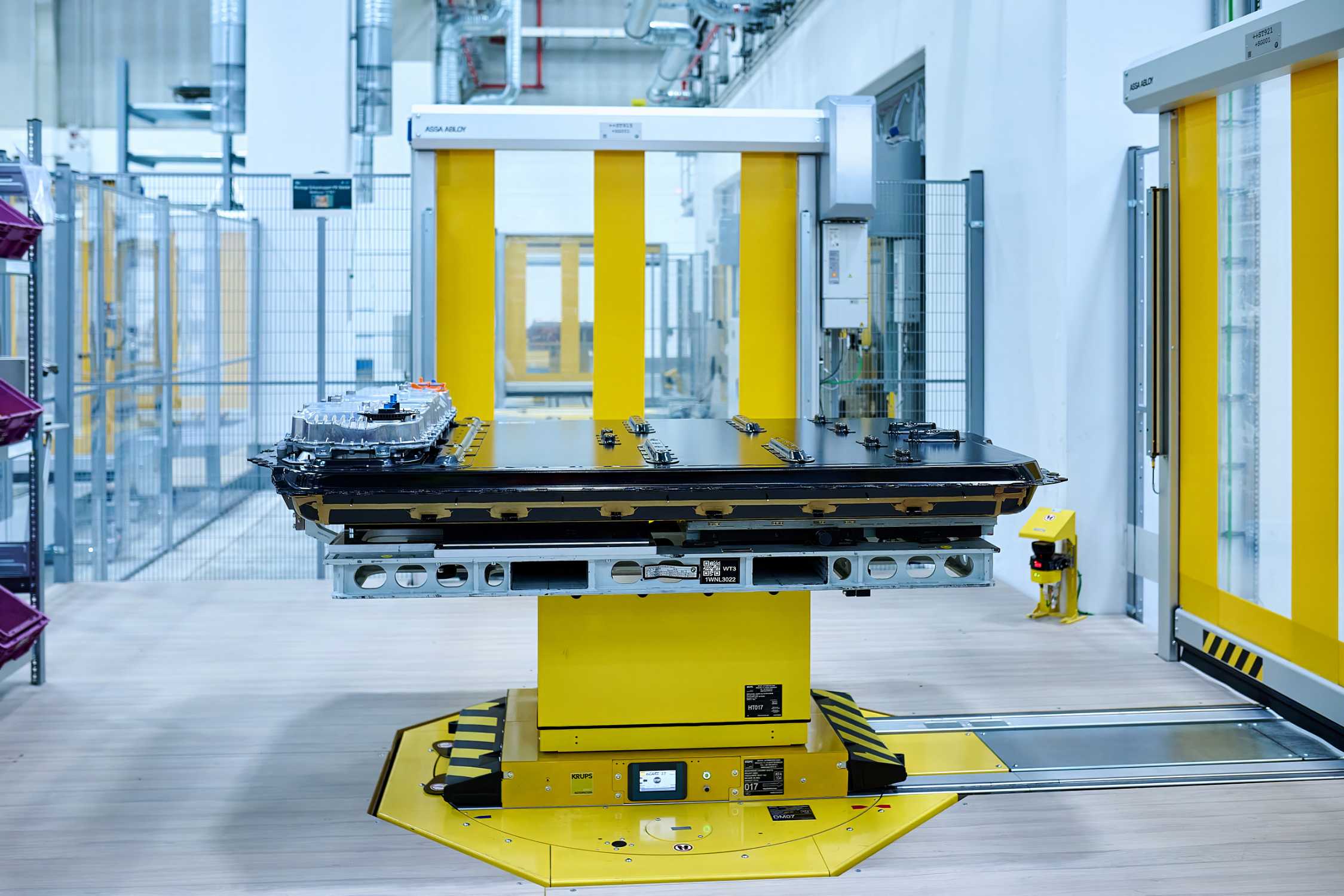
The battery combines cylindrical cells, an 800-volt architecture and an in-house-developed Energy Master, which includes hardware and software. Rather than placing the cells in modules, BMW integrates them directly into the battery pack—a design known as cell-to-pack. The company says this makes efficient use of installation space and supports high energy density at battery level.
The Energy Master is mounted on the battery. BMW says it manages energy flow, supplies power to the electric drives and the vehicle’s electrical system, and acts as an interface for battery data. The battery is also integrated into the vehicle architecture, bringing cell design, energy management and vehicle packaging together as one system.
BMW says the design is intended to improve range, charging performance, efficiency and sustainability together. The announcement does not give numerical range, charging-time or efficiency results, so those benefits are presented as development aims rather than quantified outcomes.
Safety and charging capabilities
BMW says safety was the highest priority in developing Gen6. Its round cells have steel housings and integrated safety mechanisms; the battery also uses multi-stage insulation and thermal and energy management. These are design features described by the company, not reported results from a comparative safety test.
The battery portfolio is designed for an 800-volt architecture. BMW says the Energy Master also makes the system compatible with 400-volt and 800-volt charging infrastructure and enables bidirectional charging, in which electricity can flow both into and out of a vehicle’s battery. The company also says the system is designed to accommodate other cell technologies.
The WNEVC award recognises the technology at a congress focused on electromobility and new-energy vehicles. BMW describes Gen6 as the basis for greater range, faster charging and improved long-distance electric capability; the release provides no specific vehicle-level figures for those benefits.