Summary
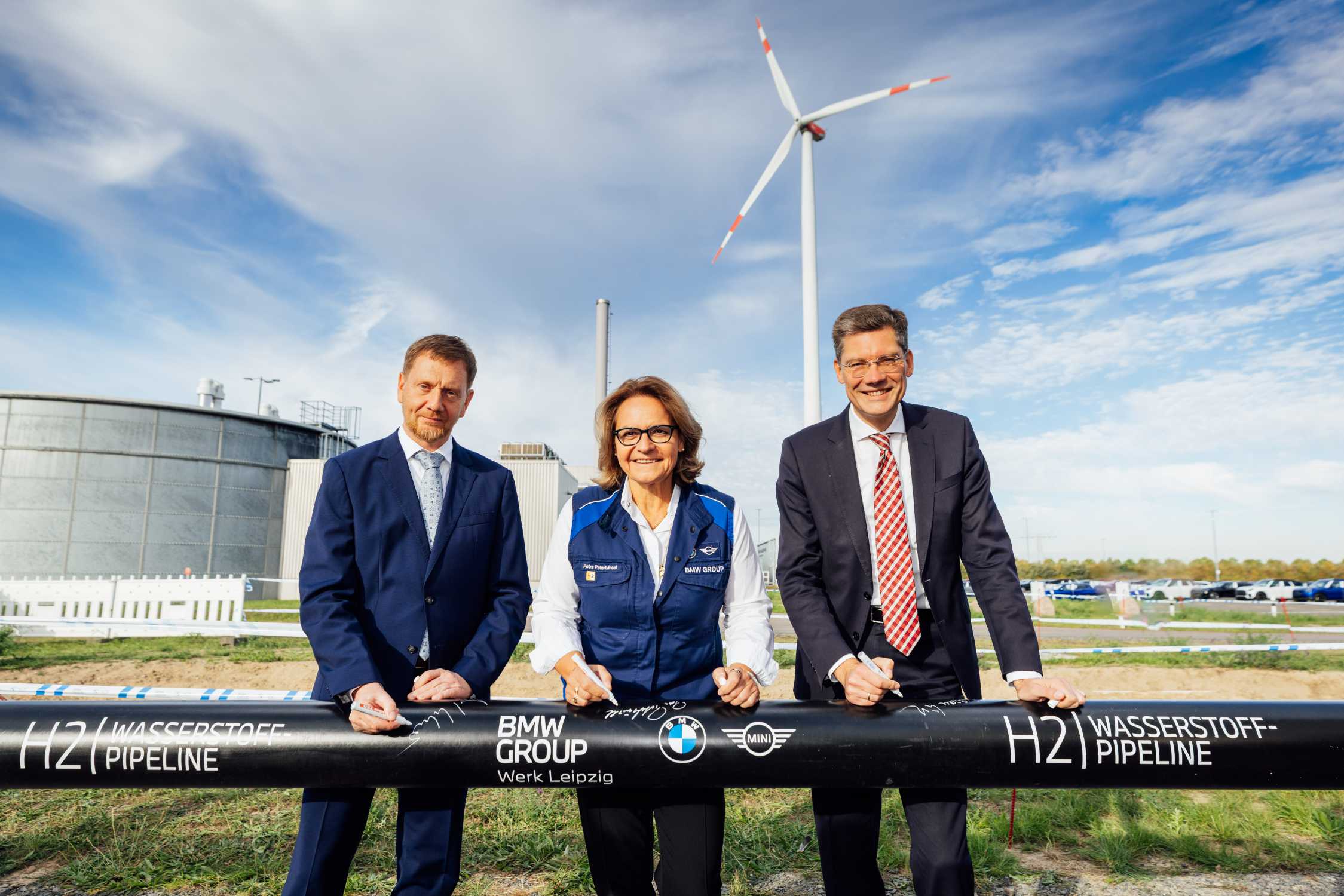
BMW Group has marked the start of construction on a roughly two-kilometre hydrogen pipeline linking its Leipzig plant to the hydrogen grid. The connection is scheduled to be commissioned in the first half of 2028 and would let the plant use hydrogen more extensively in its paint shop.
BMW Group has marked the start of construction on a roughly two-kilometre pipeline that will connect its Plant Leipzig directly to the hydrogen grid. The link is scheduled to be completed and commissioned in the first half of 2028. BMW says the connection would make Leipzig the first vehicle plant worldwide with a direct link to a hydrogen grid.
The project is intended to give the factory a larger supply of hydrogen for industrial processes, particularly in its paint shop. It is being developed with energy partners and supported by the European Fund for Regional Development and the Free State of Saxony.
Hydrogen is already used at the Leipzig plant
The pipeline extends existing hydrogen use at the site. BMW says the plant has used hydrogen in intralogistics since 2013 and now operates more than 230 hydrogen fuel-cell-powered forklifts and tug trains. Since 2022, its paint shop has also used hydrogen in eleven dual-fuel furnaces, which can switch between natural gas and hydrogen.
Once connected, the plant expects to use hydrogen more extensively in high-temperature processes, including paint drying, which currently can use natural gas. The existing dual-fuel equipment allows the plant to operate with either fuel as the hydrogen connection is developed.
Hydrogen can supply heat for industrial processes, but the pipeline does not by itself determine the climate impact of that heat. The emissions associated with hydrogen depend in part on how it is produced. BMW describes the project as having potential to further decarbonise production; the supplied announcement does not identify the hydrogen’s production route.
Partners and infrastructure
BMW has signed a capacity-reservation contract with ONTRAS Gastransport, which is responsible for developing the region’s core hydrogen grid. MITNETZ GAS will build the connecting pipeline and the associated gas-pressure regulation and metering station. The link is one part of the wider network needed to move hydrogen from the core grid to industrial users.
The project also reflects the plant’s existing experience with hydrogen in production. BMW says its flexible furnaces have provided operational experience with hydrogen use in the paint shop while maintaining production performance. The planned grid connection would allow that use to expand beyond the plant’s current arrangements.