Summary
Waymo, Nihon Kotsu and GO have agreed to prepare a commercial fully autonomous ride-hailing service in Tokyo for 2027. The launch depends on regulatory approvals and further validation of the technology and operating model.
Waymo, Japanese taxi operator Nihon Kotsu and mobility platform GO have agreed to prepare a commercial, unmanned ride-hailing service in Tokyo for 2027. Waymo says the first fully autonomous trips for public riders are intended to begin that year, with bookings available through both the GO and Waymo apps.
The timeline is conditional. The companies are still working with national and local authorities to secure the necessary permits and licences, while continuing to validate Waymo’s driving system and their shared operating procedures.
From local testing to a planned public service
Waymo began operating in Tokyo in 2025. Over the past year, its vehicles have driven autonomously on Tokyo streets while supervised by professionally trained Nihon Kotsu crew members. The company says this work has included narrow neighbourhood roads and areas with dense pedestrian traffic.
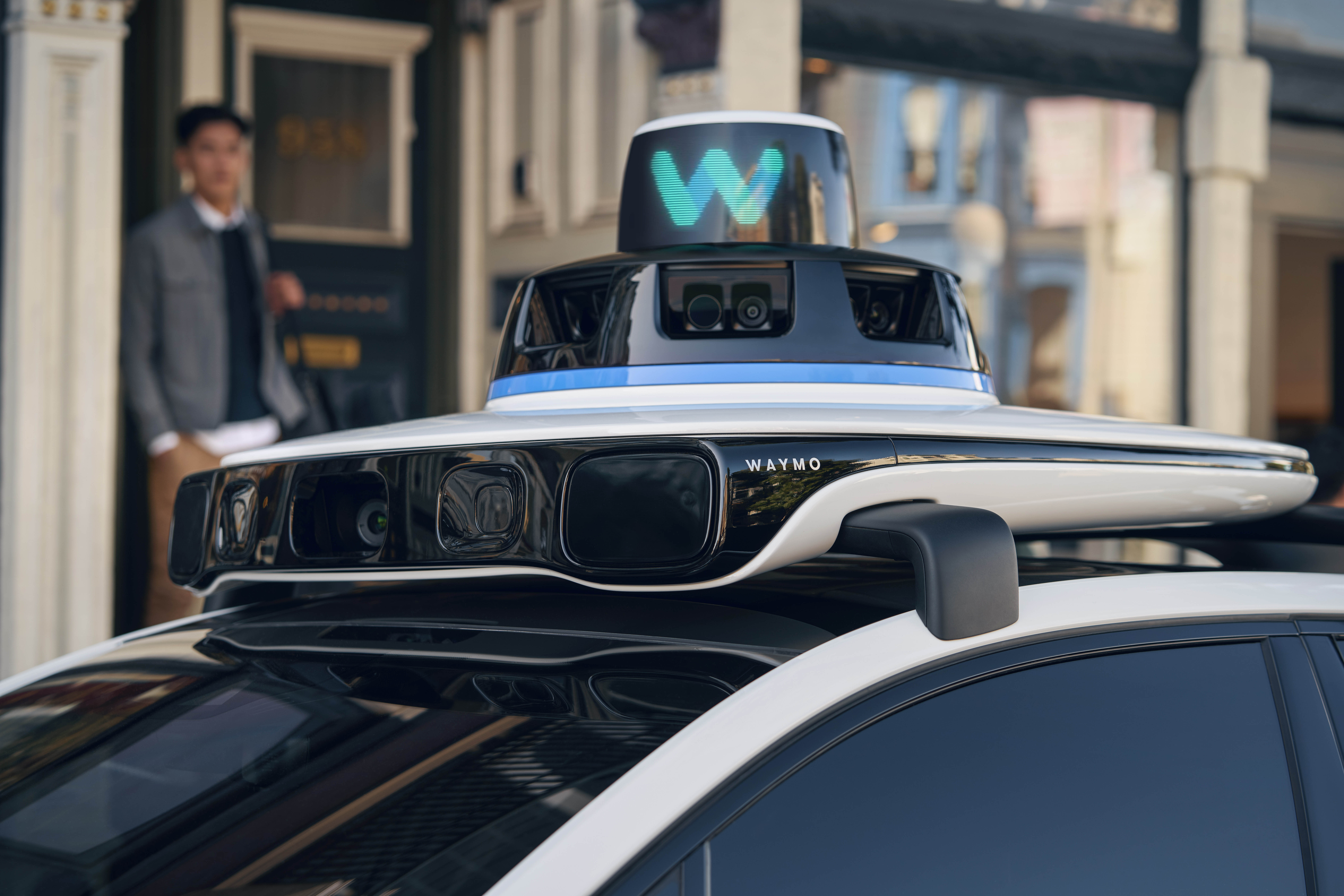
That supervised operation is the preparation phase for the planned public service. In an unmanned fully autonomous trip, the vehicle’s automated driving system would handle the driving task instead of an onboard human driver. The announcement describes the planned vehicles as completely empty, but it does not say that public unmanned trips have already begun in Tokyo.
Nihon Kotsu brings local taxi operations and nearly a century of experience serving Tokyo. GO operates the mobility platform through which users will be able to request both conventional taxis and Waymo autonomous trips. The partners describe the combination as a way to pair Waymo’s autonomous-driving technology with local dispatch, service and operational expertise.
What the proposed service would look like
The companies intend to offer an on-demand service operating 24 hours a day, seven days a week. The launch would begin with an initial fleet and gradually expand to around 100 vehicles across key Tokyo neighbourhoods. The announcement does not identify the first neighbourhoods or provide a specific launch date within 2027.
The service is intended to coexist with human-driven taxis rather than replace the existing network outright. GO President Hiroshi Nakajima said users would be able to hail conventional and autonomous trips through the same taxi app. Nihon Kotsu President Yasuharu Wakabayashi framed the project as a potential response to future driver shortages, while Waymo and its partners also linked autonomous mobility to the needs of an ageing population.
Waymo says it currently provides more than half a million fully autonomous trips each week across 15 major U.S. cities. The company also cites a safety comparison in which its service was reported as more than 15 times safer than human drivers. That is a Waymo-reported performance claim accompanying the expansion announcement; the source does not provide the underlying comparison method or data in this announcement.
Before Tokyo’s public launch, the partnership must complete its ongoing technology and joint-operations validation and obtain approvals from the relevant national and local authorities. Those conditions make 2027 the companies’ intended launch year rather than a confirmed operating date.