Summary
NVIDIA, Rebellions and SK Telecom plan to develop rack-scale AI systems that connect Rebellions’ R200 neural processing units to NVIDIA infrastructure. The systems are expected to be ready for deployment in 2028.
NVIDIA, South Korean chipmaker Rebellions and telecom operator SK Telecom announced a collaboration on November 8, 2026, to develop rack-scale AI systems for Korea. Rebellions plans to connect its next-generation R200 neural processing units (NPUs) to NVIDIA infrastructure using NVLink Fusion, while SK Telecom plans to deploy the systems in its AI data centre. The companies expect the R200 systems to be ready for deployment in 2028.
The project links Korean-designed processors and AI models with NVIDIA’s networking and rack architecture. Supported by Korea’s Ministry of Science and ICT, it is intended to help build AI services tailored to the country’s language, industries and priorities.
How the planned systems are meant to work
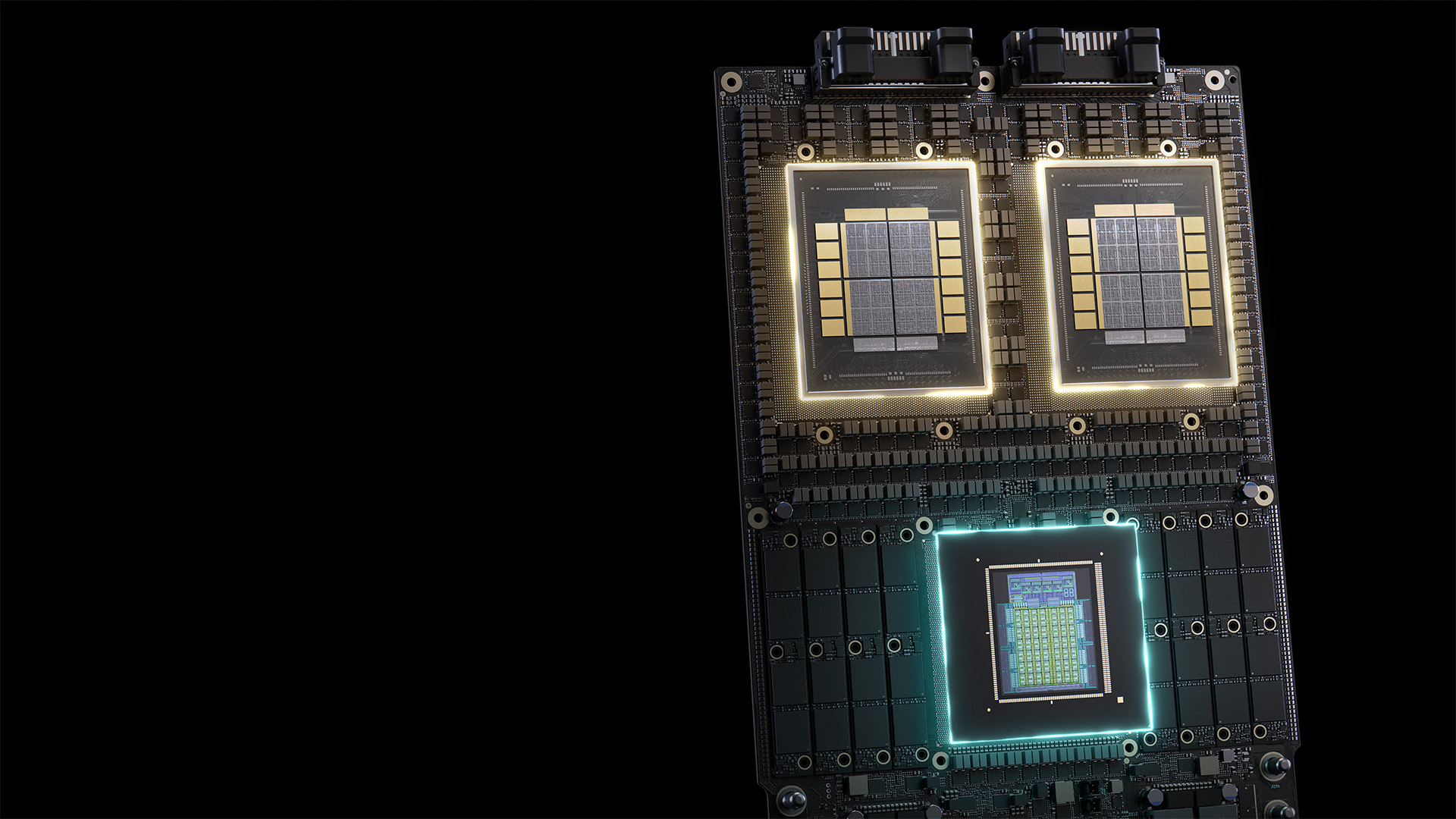
NVLink Fusion is NVIDIA’s platform for connecting custom processors, or XPUs, with its scale-up networking and infrastructure. In this collaboration, Rebellions plans to use NVIDIA NVLink networking to connect R200 NPUs within a rack. NVIDIA’s MGX rack architecture and reference designs are intended to provide a common system framework, including elements such as rack footprint, power delivery and cooling. The companies say this can help GPU- and NPU-based systems use shared data-centre design elements.
The partners also plan to develop “disaggregated inference”: assigning different stages of an AI response to different processor types. Their proposed arrangement would use NVIDIA GPUs for prefill, which processes the input prompt, and Rebellions NPUs for decode, which generates the response token by token. They say this division is intended to improve inference throughput and power efficiency. The R200 is being developed for low-latency, energy-efficient inference, including for frontier models with very large mixture-of-experts architectures.
Connecting chips, models and services
SK Telecom plans to bring its AI data-centre operations together with proprietary models, including A.X K2, and public-facing services developed under the government’s “AI for All” project. In this context, sovereign AI refers to building capabilities around domestic processors, models, infrastructure and services, rather than relying only on systems developed elsewhere.
The announcement sets out a development and deployment plan, not an already operating R200 system. Rebellions is still developing the next-generation processor, and the companies’ stated deployment expectation is 2028. Their proposal matters because it explores how locally designed AI chips could be integrated into a rack-scale system alongside established networking and infrastructure, while connecting that hardware to locally operated data centres and services.